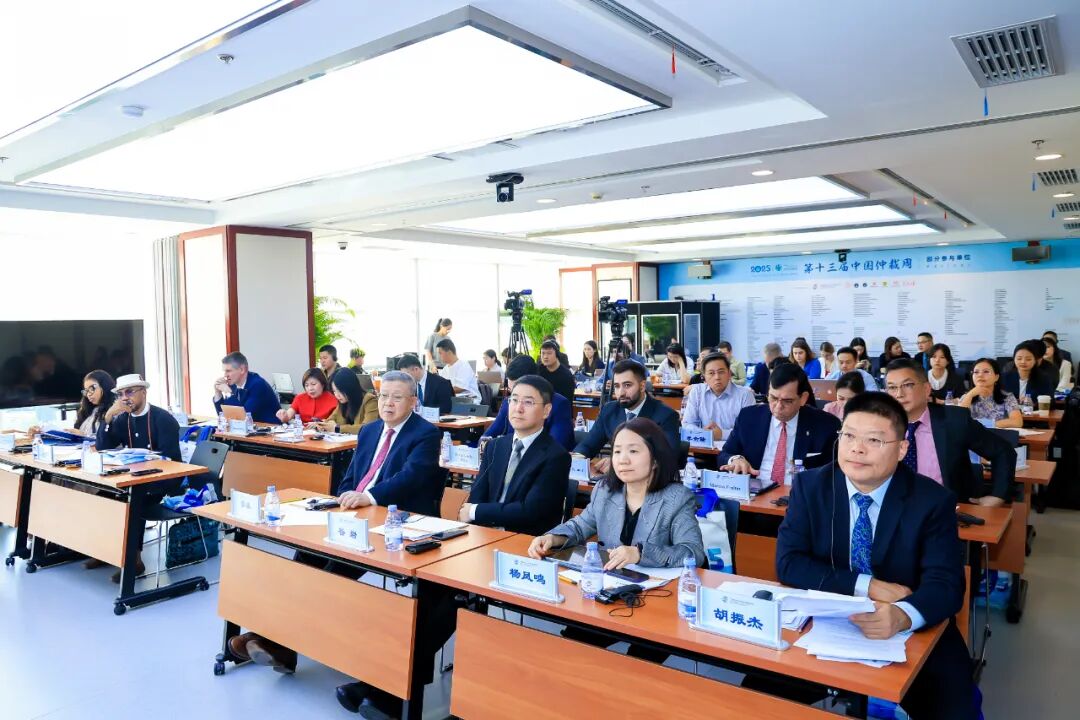
On September 18, 2025, the "4th BRICS Arbitration Forum", one of the series activities of 2025 China Arbitration Week, was successfully held in Beijing. It was hosted by China International Economic and Trade Arbitration Commission ("CIETAC") and organized by Beijing DHH Law Firm ("DHH") and DHH Research Institute.With the theme of "BRICS Arbitration, Strength and Contribution to Global Governance and Development", the event received support from more than a dozen organizations, including Institute of International Law, China Academy of Social Science (CASS), Arbitration Foundation of Southern Africa, Bar Association of India, BRICS Research Institute (Brazil), International Commercial Arbitration Court of the Chamber of Commerce and Industry of the Russian Federation (RFCCI), National Arbitration Board of Indonesia (BANI), Brazilian Chamber of Mediation and Arbitration (CAMARB), Abu Dhabi International Arbitration Centre,  Saudi Center for Commercial Arbitration (SCCA), Thailand Arbitration Center (THAC), Weihai International Arbitration Commission (WIAC), etc.


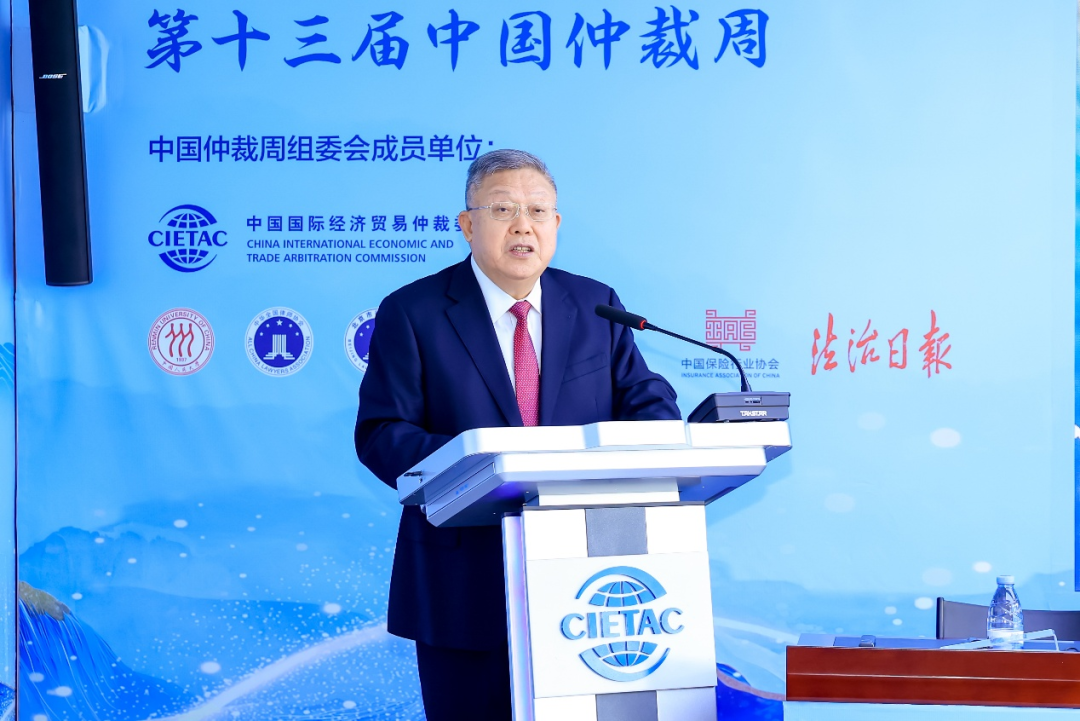
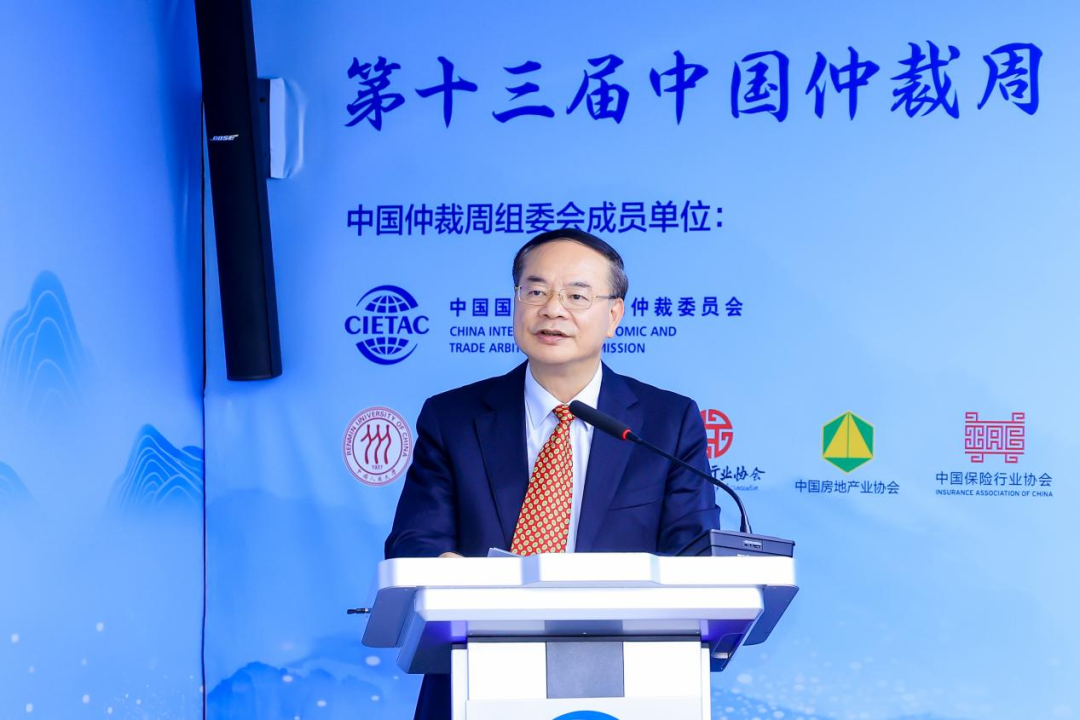
Chong Quan, former Deputy Representative for International Trade Negotiations of the Ministry of Commerce and Former Chairman of the China Society for World Trade Organization Studies, delivered the opening speech at the forum. President Chong Quan pointed out that the global economic pattern has undergone profound adjustments, with significantly increased uncertainty and instability. Against this background, arbitration, as an important method for resolving international commercial disputes, has become a key pillar for safeguarding international economic and trade order due to its professionalism, neutrality and efficiency. As representatives of emerging economies, BRICS countries have inherent advantages and potential in arbitration cooperation and mechanism building; arbitration is not only a tool for resolving disputes, but also a bridge for building trust and promoting cooperation. He emphasized that the BRICS spirit should be promoted to enhance the international influence of arbitration, and called for the construction of a more fair, just and efficient international dispute resolution system.


(Opening Speech by Chong Quan, former Deputy Representative for International Trade Negotiations of the Ministry of Commerce (Vice-Minister level) and Former Chairman of the China Society for World Trade Organization Studies)


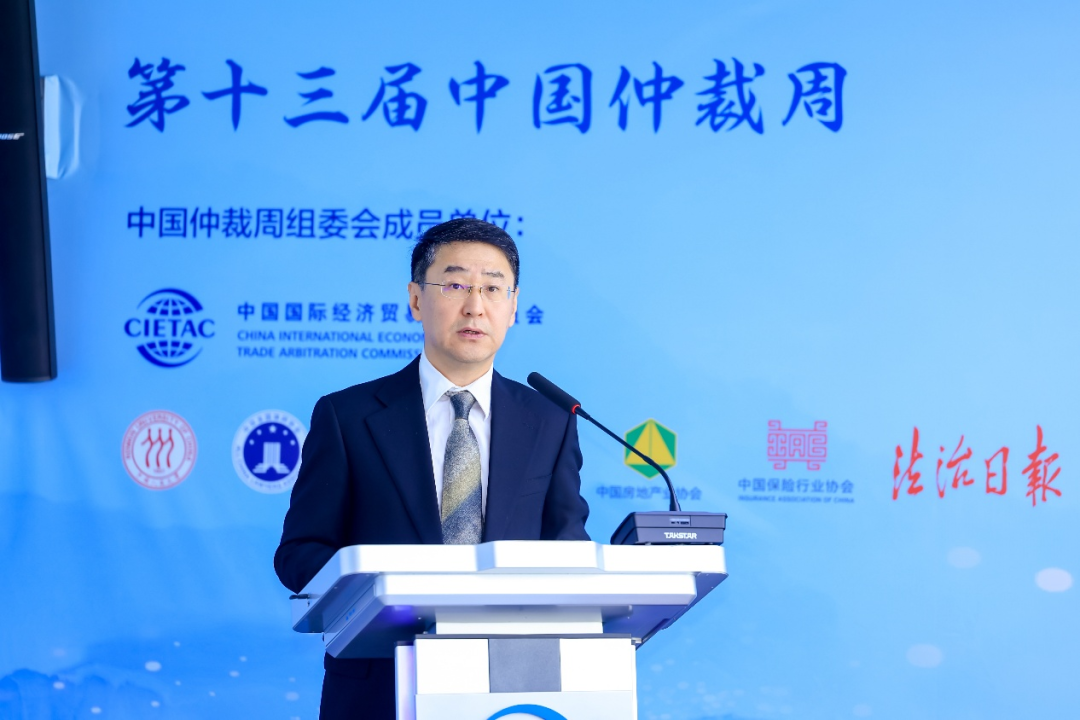
Gu Yan, Vice President of CIETAC Arbitration Court, delivered a welcome speech. He pointed out that the BRICS mechanism has developed into a key force for promoting the reform of global governance. Faced with challenges such as geopolitical conflicts, supply chain restructuring and trade protectionism, BRICS countries are in urgent need of efficient, neutral and enforceable dispute resolution services. As the core method for resolving international commercial disputes, arbitration is an important "stabilizer" for safeguarding BRICS economic and trade order. As China's earliest established foreign-related arbitration institution, CIETAC has always served international economic and trade cooperation. It has continuously adapted to BRICS needs and helped promote BRICS arbitration cooperation through multiple channels, such as rule and service innovation, strengthening international layout, deepening case management and arbitrator exchanges and cooperation, and promoting the oriental wisdom of "combining arbitration and mediation". He emphasized that the core of BRICs cooperation is "openness, inclusiveness, cooperation and mutual benefit". Against this background, BRICS countries should further form consensus, and through continuous deepening of rules, information sharing and talent exchange, promote the further coordination of BRICS arbitration rules and jointly advance the development of BRICS arbitration - "walking together for a long journey".


(Welcome Speech by Gu Yan, Vice President of CIETAC Arbitration Court) 


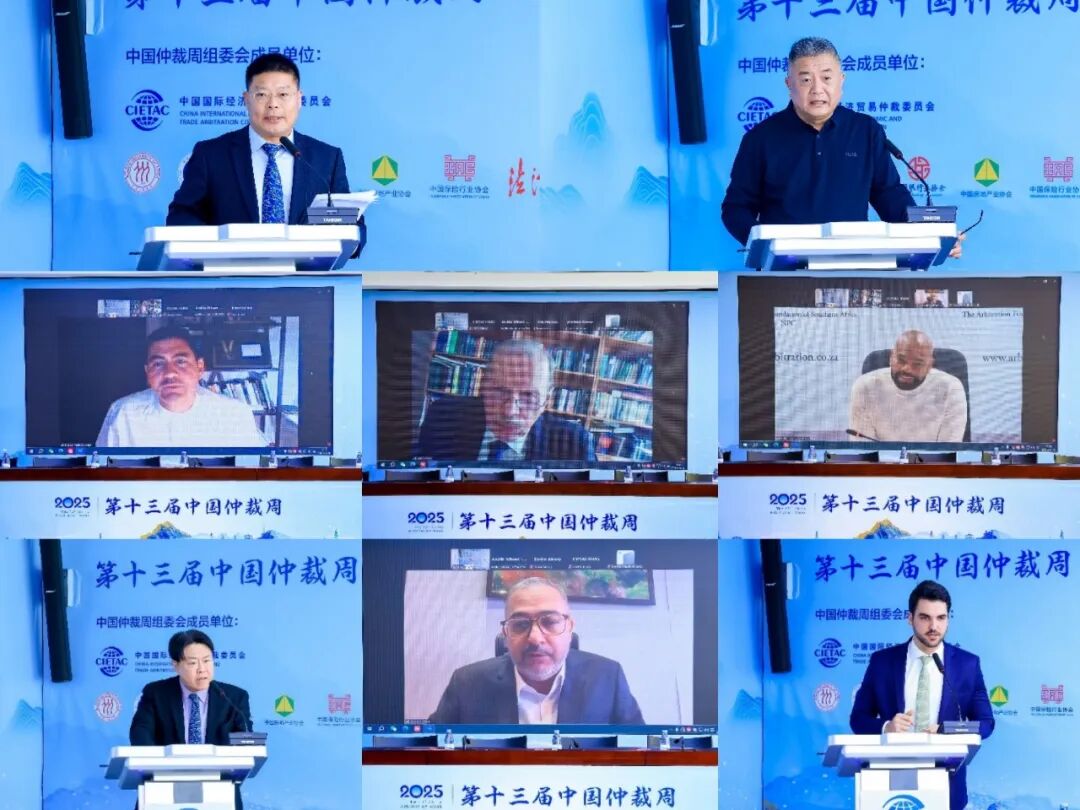
The forum consisted of three sessions. The first session focused on "The Interaction Between the Global Economy and BRICS Legal Arbitration Mechanism". Chaired by Liu Kejiang, Managing Partner of DHH and President of WIAC, keynote speeches were delivered by distinguished guests including Liu Jingdong, Head of International Economic Law, China Academy of Social Science; Malik Dahlan, Emeritus Professor of Queen Mary University of London; Aleksey Kostin, Chairman of the International Commercial Arbitration Court and Maritime Arbitration Commission of the RFCCI; Andile Nikani, Chief Executive Officer of the Arbitration Foundation of Southern Africa; Colin Ong, President of Arbitration Association Brunei Darussalam and Chairman of the International Advisory Committee of the Thailand Arbitration Center; Prashant Kumar, Partner of Trinaya Law Firm and Chairman of the Bar Association of India; and Felipe Varela Mello, Director of the Brazilian Center for Mediation and Arbitration. The speakers put forward suggestions on the importance of arbitration in addressing global governance challenges, enhancing legal coordination, and improving the efficiency of award enforcement. They emphasized that BRICS countries should enhance their right to speak and influence in international dispute resolution through various means such as establishing unified rules, strengthening digital application, and promoting the combination of mediation and arbitration.

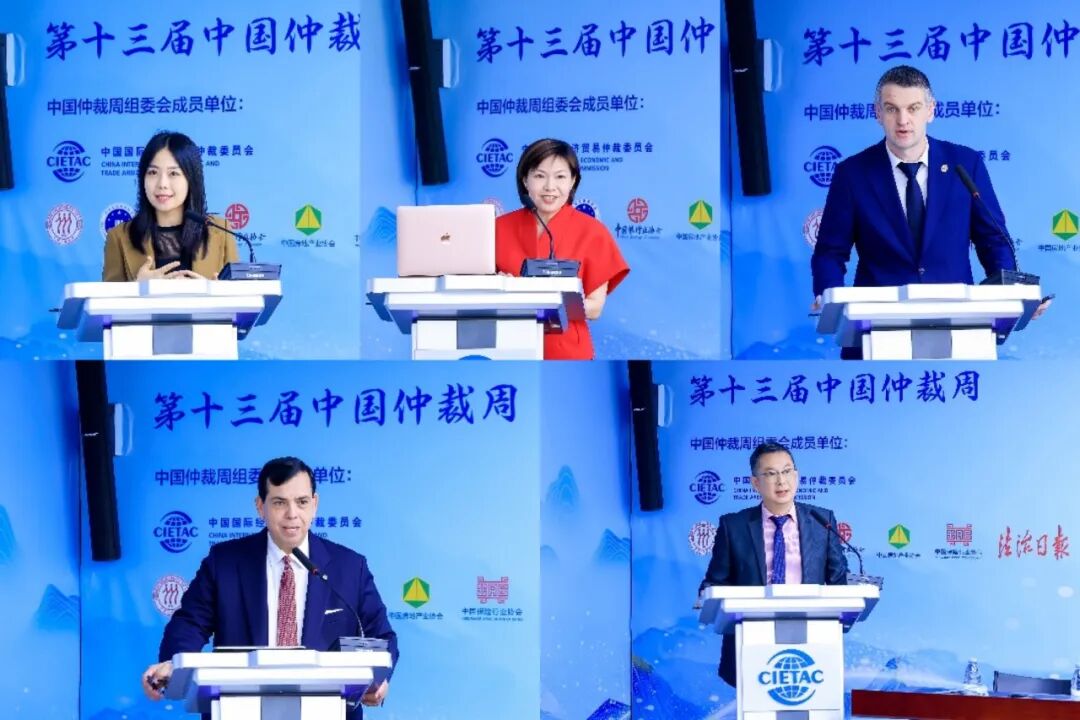
(Session 1, from left to right, top to bottom: Liu Kejiang, Liu Jingdong, Malik Dahlan, Aleksey Kostin, Andile Nikani, Colin Ong KC, Prashant Kumar, Felipe Varela Mello) 


The second topic was "The Arbitration Application in the Internationalization of BRICS ", chaired by Liu Fei, Deputy Director of the Business Development Division of CIETAC. Blossom Hing, Court Member of Abu Dhabi International Arbitration Centre; Aleksei Korochkin, Chairman of the Chamber of Arbitrators at the Union of Lawyers of Belarus; Marcus Freitas, Researcher of the BRICS Institute of Brazil and Visiting Professor of China Foreign Affairs University; and Tony Budidjaja, Chairman of the Indonesian Academy of Independent Mediators and Arbitrators. They focused on the innovation of BRICS arbitration mechanisms, and through sharing their respective countries' arbitration practice experience, jointly called for the establishment of a coordinated, unified, efficient and inclusive arbitration system. They emphasized the necessity of promoting rule integration and institutional cooperation. The commentators called for the construction of an independent and low-cost dispute resolution mechanism, contributing BRICS wisdom to better address the challenges of the digital age and meet the emerging new needs such as regulating the application of emerging technologies like artificial intelligence. 


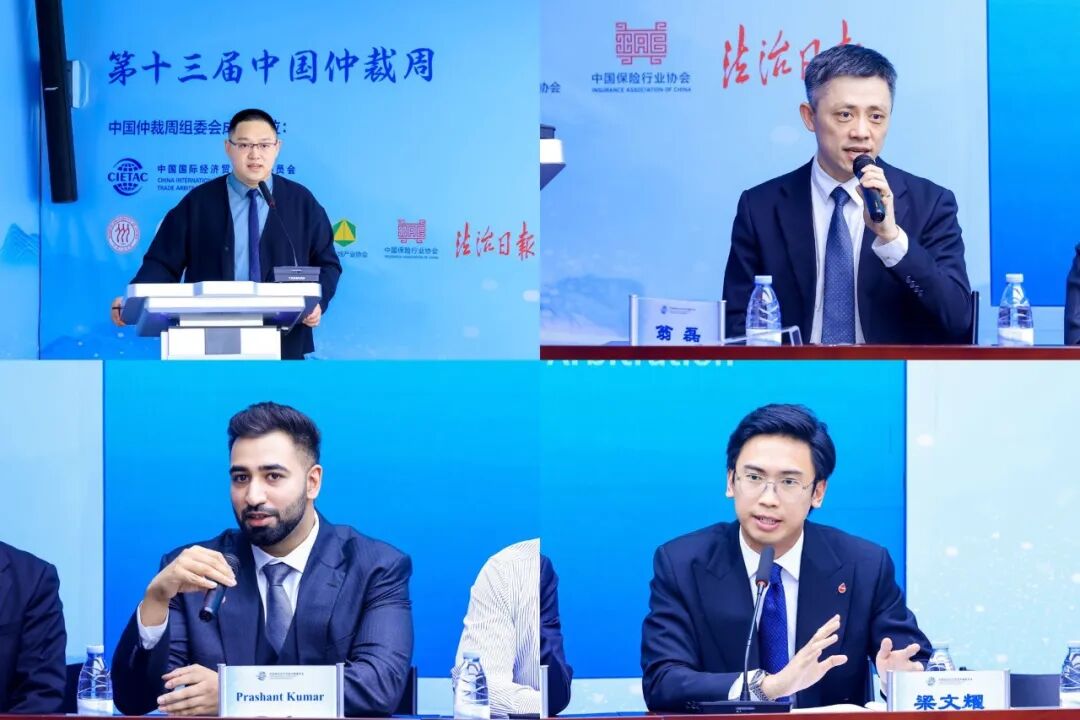
(Session 2, from left to right, top to bottom: Liu Fei, Blossom Hing, Aleksei Korochkin, Marcus Freitas, Tony Budidjaja) 


The third topic was a roundtable discussion session. Chaired by Dr. Liu Rundong, Partner of DHH and Secretary General of the International Business Department, in-depth discussions were held on the topic of "the Global Users of BRICS Arbitration" by Hu Zhenjie, Head of the All China Lawyers Association In-House Lawyers Committee, former General Counsel of China Aluminum Corporation Group, and CIETAC Arbitrator; Leung Man Yiu, Director of Accuracy (Beijing) Consulting Co., Ltd.; Paurush Kumar, Partner of Trinaya Law Firm(India), Director of the International Business Department, and Researcher of the BRICS Law Research Institute of East China University of Political Science and Law; and Shaun Wong, Founding Partner of Shaun Wong LLC (Singapore) and Visiting Chair of Singapore Management University. The guests conducted in-depth discussions and experience sharing on themes such as the construction and development of BRICS arbitration mechanisms, digital transformation, cross-cultural legal integration, improvement of award enforcement efficiency, response to new technology disputes, user cost control, and expert talent training. They jointly called for the construction of a new BRICS arbitration ecosystem that is efficient, inclusive and adaptable to the needs of multi-polar governance.


(Session 3, from left to right: Dr. Liu Rundong, Shaun Wong, Paurush Kumar, Leung Man Yiu) 


Hu Zhenjie, Head of the All China Lawyers Association In-House Lawyers Committee, former General Counsel of China Aluminum Corporation Group and CIETAC Arbitrator, delivered the closing speech for the forum. He fully affirmed the achievements of this forum and emphasized the important significance of the BRICS arbitration mechanism for global governance and common development. He pointed out that the conference has consolidated the consensus on strengthening international cooperation, promoting rule coordination, and improving arbitration efficiency. He called for the construction of a new independent, efficient and trustworthy international arbitration system, and expressed expectations for further deepening cooperation in the future to jointly promote the development of the international arbitration industry.  


(Closing Speech by Hu Zhenjie, Head of the All China Lawyers Association In-House Lawyers Committee, former General Counsel of China Aluminum Corporation Group, and CIETAC Arbitrator)


This forum conducted in-depth discussions on key and hot issues of arbitration against the background of BRICS strength contributing to global governance and common development. More than 20 experts from home and abroad, including arbitrators, lawyers, scholars, and representatives from the industrial and commercial sectors, were invited to attend and speak at the event, with a warm atmosphere of exchange among on-site guests. The forum was held both online and offline, attracting about 80 guests to attend on site and more than 6,000 watches online.

{{ article.quickLinkTitle ? article.quickLinkTitle : 'Quick Links' }}
Quick Links