On September 16, 2025, the 9th TANG Lecture, organized by China International Economic and Trade Arbitration Commission (“CIETAC”) , was grandly held in Beijing as one of the key activities of China Arbitration Week. Professor Fei Zongyi, Former Member of the Adjudication Committee of the Supreme People's Court of China, Former Vice Chairman, Consultant and Director of the Expert Advisory Committee of CIETAC, delivered a keynote speech on the topic of "Development and Prospect of Commercial Arbitration in China" .Mr. Tao Jingzhou, Senior Arbitrator of CIETAC, Lawyer at the Paris Court of Appeal, France, Adjunct Professor of Georgetown University, Member of the International Commercial Expert Committee of the Supreme People’s Court of China, and Mr. Lu Song, Senior Arbitrator of CIETAC, Professor of China Foreign Affairs University, Member of the International Commercial Expert Committee of the Supreme People’s Court of China, are invited to be the commentators. Mr. Wang Chengjie, Vice Chairman and Secretary General of CIETAC, chaired the event and delivered an opening speech.  Nearly 300 guests from 30 countries and regions around the world, including heads of arbitration institutions, arbitrators, lawyers, scholars and businesspeople, attended the event in person, and more than 3,000 viewers watched the live broadcast online. 


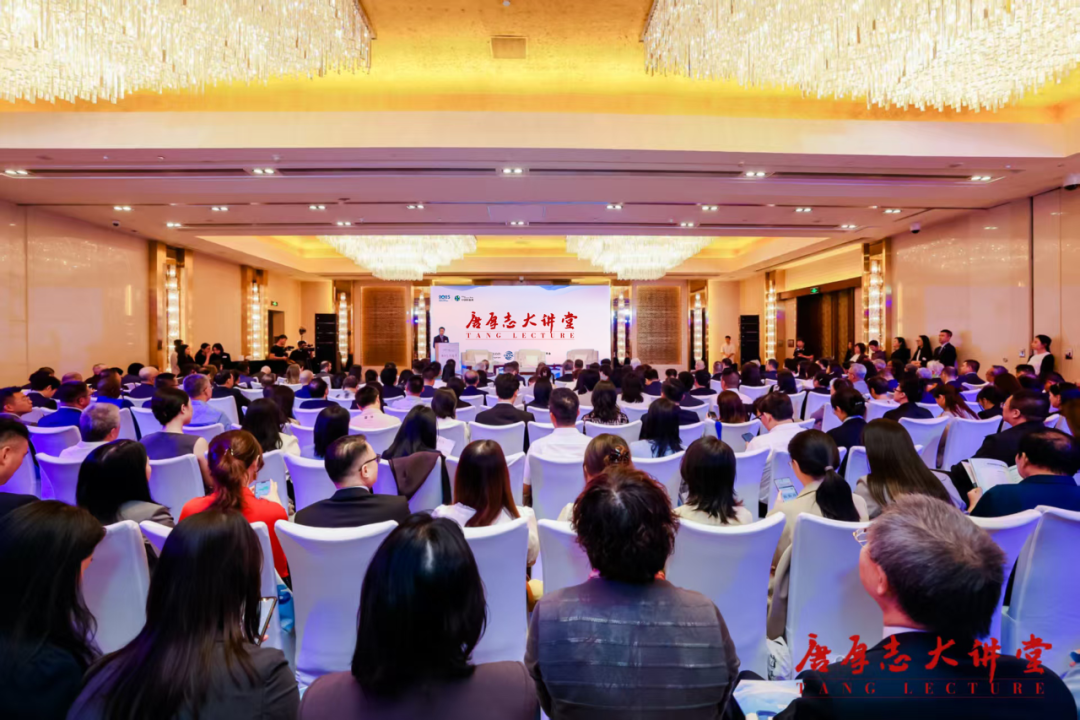
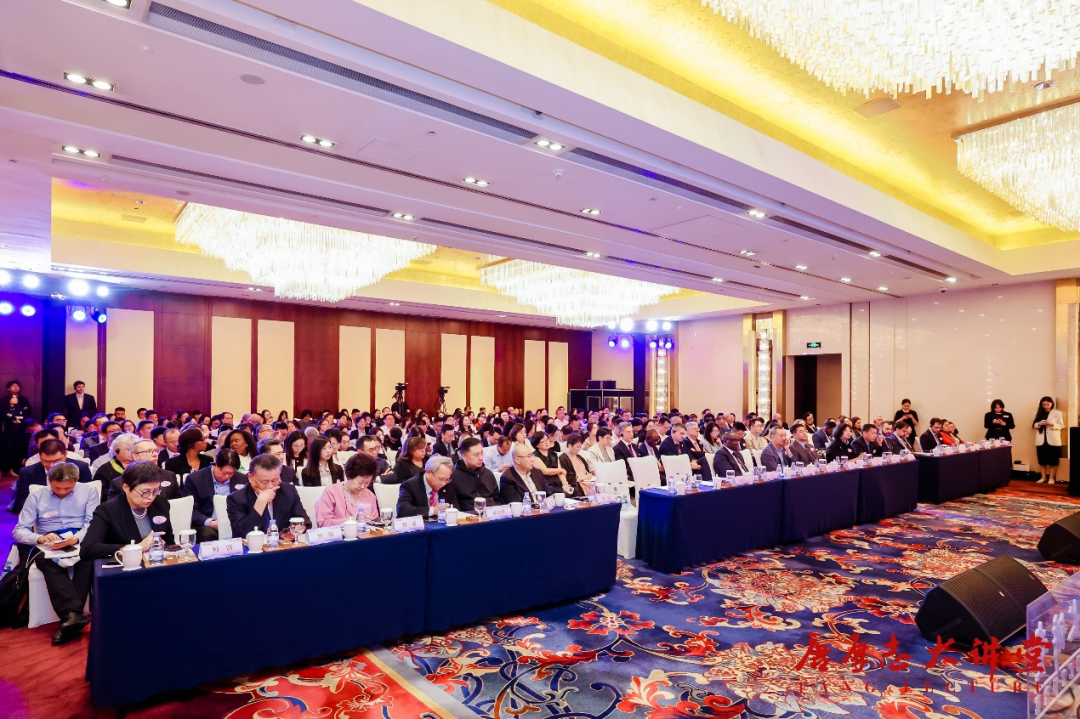
(Event Venue)


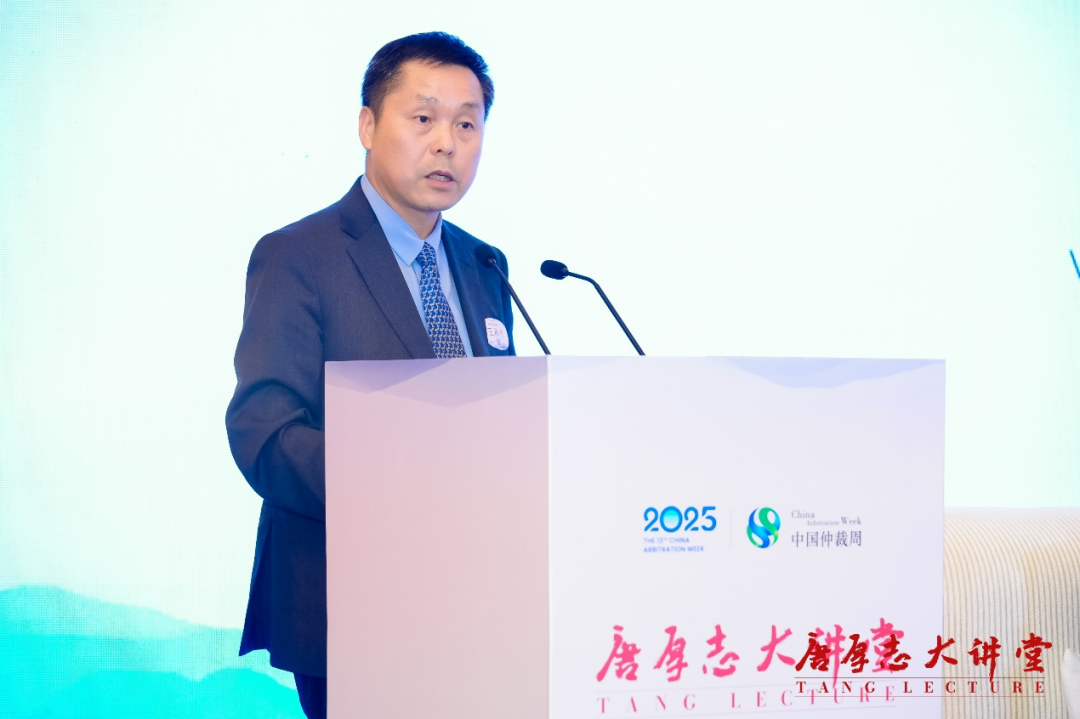
(Speech by Wang Chengjie, Vice Chairman and Secretary General)


Secretary General Wang Chengjie introduced in his opening speech that the TANG Lecture was established to commemorate Mr. Tang Houzhi, an important founder and pioneer of China's arbitration. In recent years, the development of the arbitration had received a lot of attention in China. Clear requirements for deepening the reform of the arbitration system, improving the international commercial arbitration system, and fostering world-class international arbitration institutions were put forward. In July this year, the Ministry of Justice specially held a forum on foreign-related arbitration to discuss accelerating the high-quality development of foreign-related arbitration and implement a project to foster world-class international arbitration institutions with Chinese characteristics; Recently, the National People's Congress has deliberated and adopted the newly amended Arbitration Law, providing legislative guarantee for the construction of an international commercial arbitration center. Mr. Tang's unremitting efforts and significant contributions in advocating and promoting the development of China's arbitration industry over the years have resounded profoundly in the new era.


(Biographical video of  Mr. Tang)


During Secretary General Wang Chengjie's introduction, the TANG Lecture played a memorial video of Mr. Tang's work and life during his lifetime, reviewing the glorious achievements he made through unremitting efforts for the arbitration industry and his noble personal sentiments


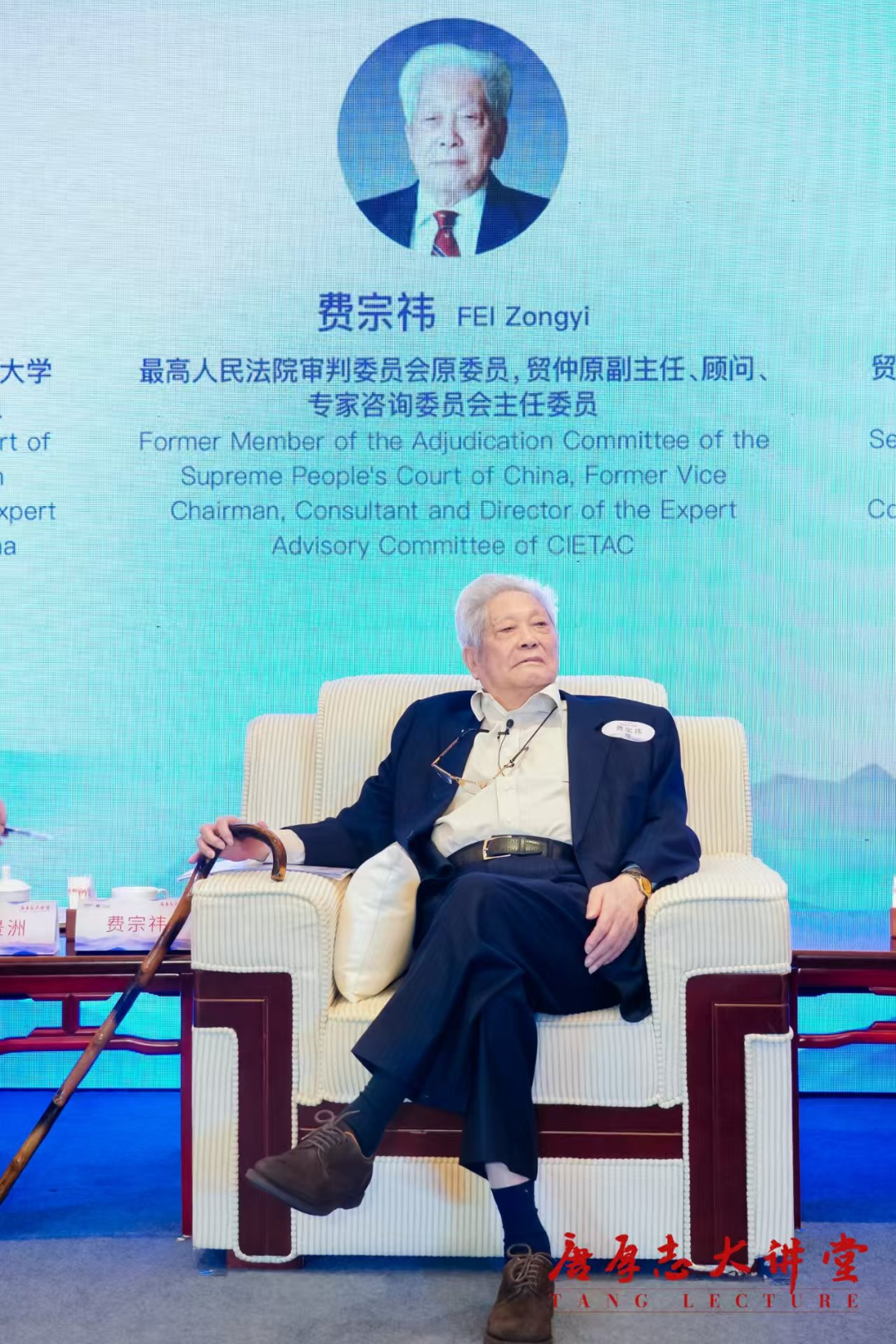
(Professor Fei Zongyi delivers a keynote speech)


Professor Fei Zongyi delivered a keynote speech on the topic of "Development and Prospect of Commercial Arbitration in China". He pointed out that the 30-year development of commercial arbitration in China is essentially a tough reform battle transforming from "administrative arbitration" to "private arbitration". On the one hand, it has made remarkable achievements, realizing a leap from "being unknown" to "being widely valued", with an explosive growth in the scale of arbitration; On the other hand, there are still problems such as unbalanced regional development and the ongoing construction of credibility. To address the era's proposition of how to achieve high-quality development of Chinese arbitration, the following five key aspects should be taken into overall consideration: First, the top priority is to unswervingly uphold the independence and non-governmental nature of arbitration. Second, the key measure is to coordinate and promote the implementation of systematic reform of arbitration. Third, it is necessary to comprehensively construct a training system for arbitrators; Fourth, the power and responsibility boundaries between arbitration institutions and arbitral tribunals should be further clarified; Fifth, adhere to the development path of arbitration with Chinese characteristics that integrates internationalization, modernization and localization in parallel. He particularly pointed out that only systems formed based on China's reality and adapted to China's "national conditions" (like the combination of arbitration and mediation) are truly excellent systems with Chinese characteristics that can effectively resolve international disputes. Finally, he cherished the memory of Mr. Tang's significant contributions to Chinese and international arbitration, and called on all arbitrators to take Mr. Tang as an example, stay true to their original aspirations, uphold the "sanctuary" of arbitration, and contribute to the arbitration community. 


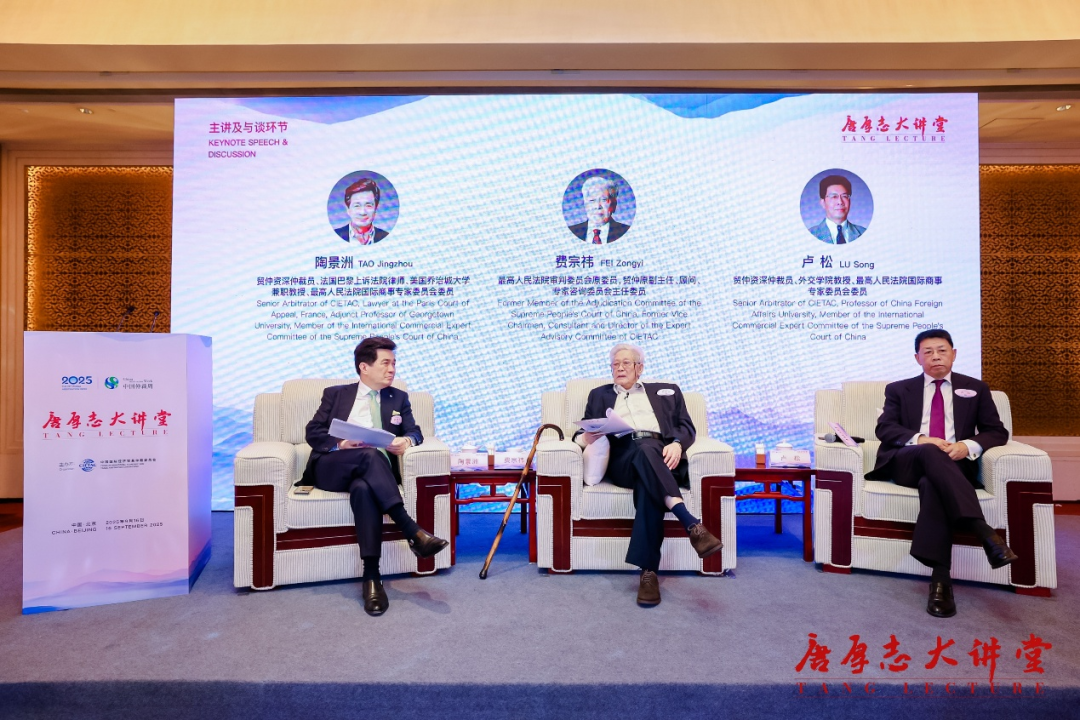
(Discussion session)


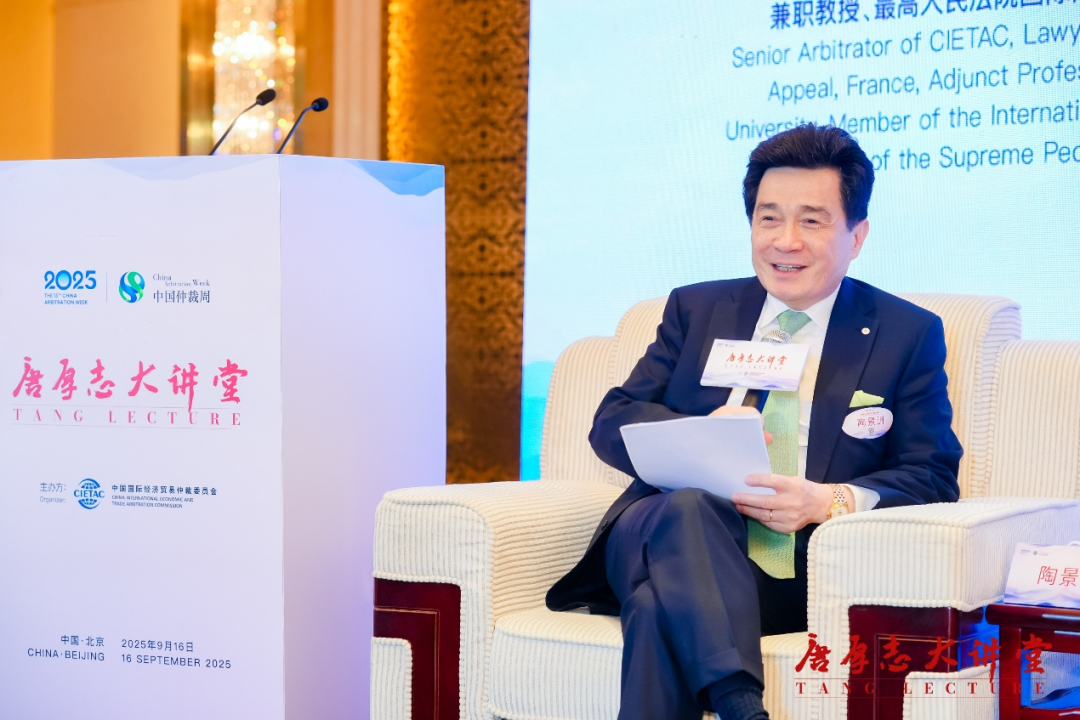
After the keynote speech, Arbitrator Tao Jingzhou and Professor Lu Song delivered speeches as commentators.


(Arbitrator Tao Jingzhou’s remarks in the discussion session)


Arbitrator Tao Jingzhou pointed out that Chinese arbitration institutions represented by CIETAC adopted the internationally accepted non-governmental arbitration model at their establishment, which has also played an important guarantee role for the independent, impartial and high-level arbitral awards of arbitral tribunals; Chinese arbitrators have continuously expanded their international perspective and improved their professional competence, gradually moving towards the center of the world stage; China not only absorbs mature international arbitration experience, but also continuously strengthens, summarizes and promotes advanced local practices, focuses on improving digitalization levels, and has embarked on an effective characteristic path of transforming "local experience" into "international consensus"


(Professor Lu Song remarks in the discussion session)


Professor Lu Song pointed out that the significant achievement of the Arbitration Law in the 30 years since its implementation lies in the realization of the transformation from administrative arbitration to commercial arbitration, which is required by the essential attribute of commercial arbitration derived from party autonomy and is also the basic premise for the development of Chinese arbitration; The award review system advocated and implemented by CIETAC and the expert advisory committee system established thereby have provided key elements for ensuring the independent and impartial handling of cases by arbitral tribunals; The "Eastern experience" of combining arbitration and mediation promoted by Mr. Tang is in line with the essential attributes and internal logic of commercial activities, and thus has been recognized and adopted by the international arbitration community.


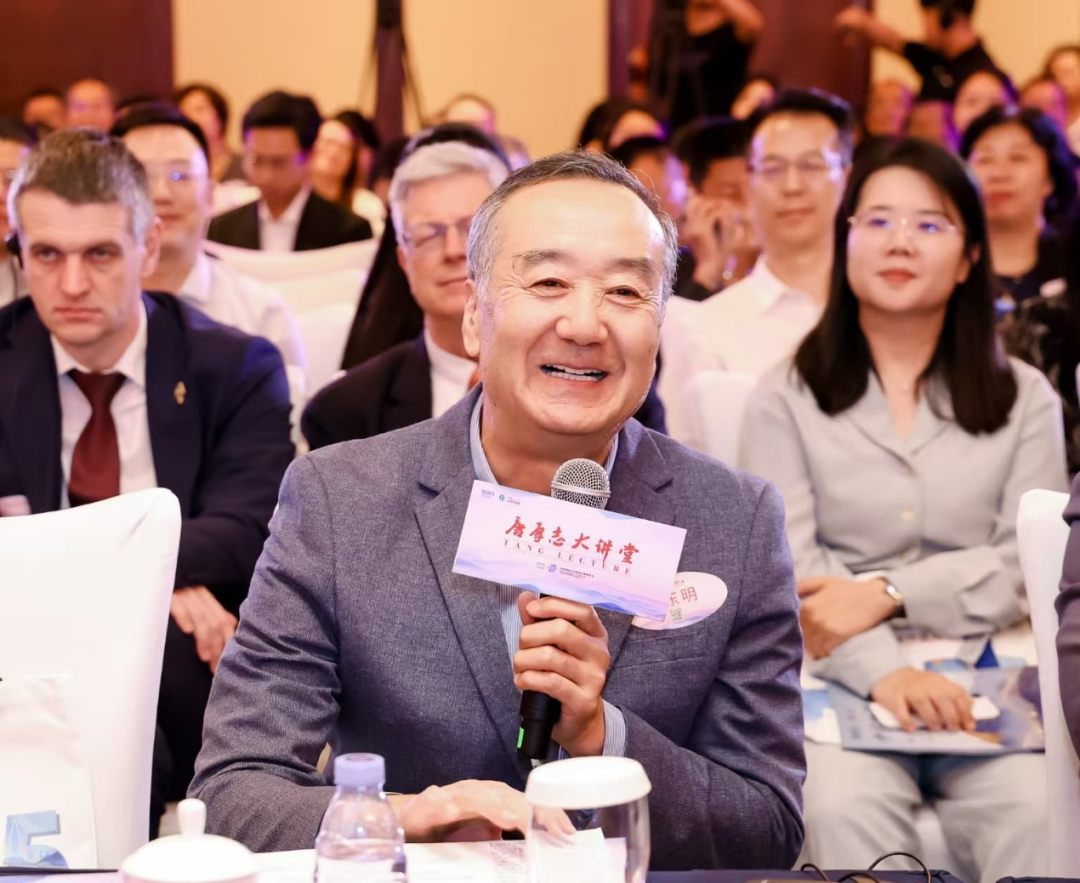
(Director Jia Dongming’s response remarks)


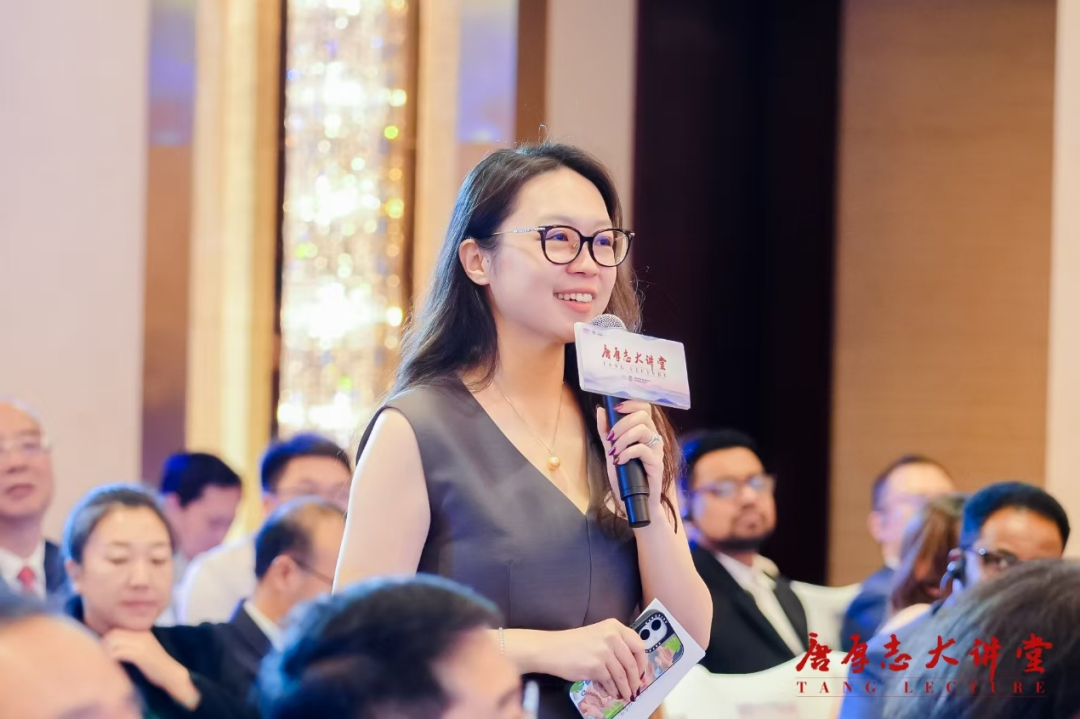
( Lawyer Dai Wen’s response remarks)


After the commentary session, Mr. Jia Dongming, former Director of the Civil Law Department of the Legislative Affairs Commission of the National People's Congress and Vice Chairman of CIETAC, and Ms. Dai Wen, arbitrator of CIETAC and partner of Zhonglun Law Firm in Beijing, delivered responsive speeches as audience representatives from the perspective of the formulation and revision of the Arbitration Law. Mr. Jia Dongming reviewed the important contributions of Mr. Tang and Mr. Fei, and particularly explained the prudent consideration in China's Arbitration Law regarding the path selection of the three elements of an arbitration agreement. Ms. Dai Wen affectionately reviewed the key training and special care given by Mr. Tang, Mr. Fei and CIETAC to the younger generation of arbitrators, and expressed the firm belief that young arbitrators will pass on the torch of China's arbitration practice.


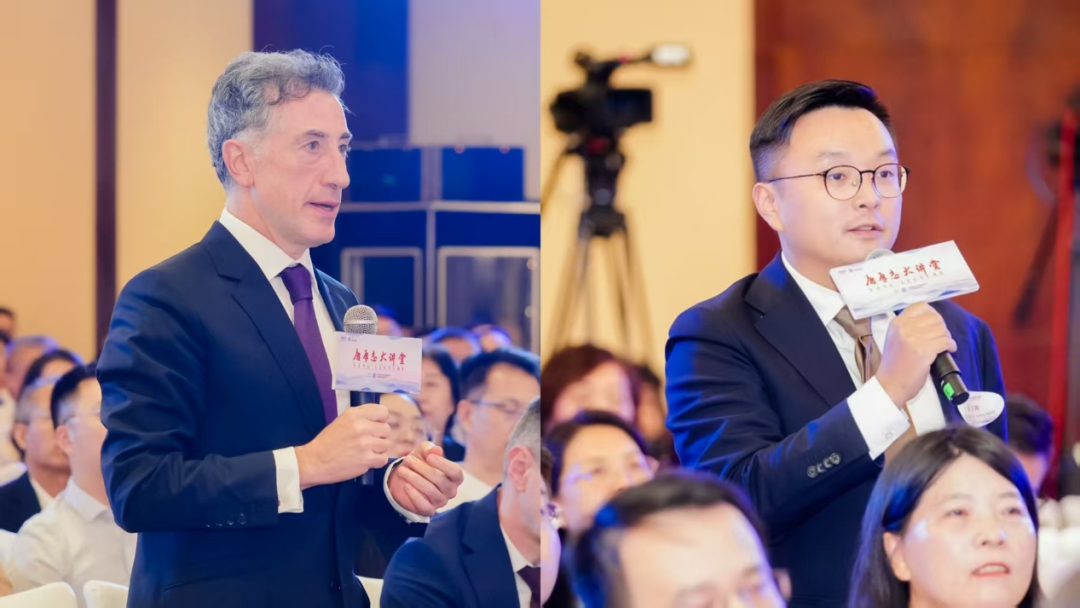
(Audience Q&A session) 


The event was a full house and the audience raised questions and exchanged views on key issues such as the revision of the Arbitration Law, the independence of arbitral tribunals, and CIETAC's practice in handling cases applying other arbitration rules. Secretary General Wang Chengjie delivered a concluding speech for the TANG Lecture. He particularly expressed his deepest respect to Mr. Fei, who, at the age of 97, still attended the event in person and shared valuable experience. He stated that the issues raised by Mr. Fei are precisely the key to the development of China's arbitration at present: First, the independence of arbitration institutions is the lifeline of the arbitration system. CIETAC has always adhered to the bottom line of "independence and impartiality" and has become a world-class arbitration institution widely recognized internationally. Second, arbitration institutions and arbitral tribunals are organically integrated under the principle of "service and guarantee, supervision and support". CIETAC has always adhered to the principle of "respecting the independent arbitral power of arbitral tribunals" and provided efficient procedural support for arbitral tribunals. Third, arbitrators are the core force of the arbitration industry. CIETAC arbitrators not only hear cases, but also spread Chinese arbitration culture; Fourth, the development of arbitration is an organic integration of "taking localization as the root and internationalization as the wings". CIETAC has always adhered to this direction in nearly 70 years of practice and embarked on a characteristic development path; In the future, CIETAC will continue to adopt a more firm attitude and more pragmatic measures, set a high-level positioning to build a benchmark of world-class international arbitration institutions, and make "independence and impartiality" a distinctive label of Chinese arbitration.


(site of activity)


Founded in 2017, the "TANG Lecture" adheres to the purpose of promoting the concept of arbitration, facilitating mutual learning of international arbitration culture, advancing the development of international arbitration, and building a platform for international arbitration exchanges. With many international arbitration professionals delivering lectures and extensive participation from all sectors at home and abroad, the TANG Lecture has become one of the most important activities during China Arbitration Week. This year’s Lecture coincides with the centenary of Mr. Tang's birth and the completion of the revision of the Arbitration Law. It closely focuses on the historical and practical observations of arbitration, consolidates consensus from all sectors of society, and helps China's arbitration development carry forward the past and forge ahead. The event achieved complete success.

{{ article.quickLinkTitle ? article.quickLinkTitle : 'Quick Links' }}
Quick Links