On 7–8 March 2026, the inaugural session of “CIETAC International Arbitration Institute 2025–2026 Tribunal Secretary Training Course” organized by China International Economic and Trade Arbitration Commission (CIETAC) and co-hosted by CIETAC Hong Kong Arbitration Center and CIETAC South China Sub-Commission, was successfully held in Hong Kong. The course received strong support from the Hong Kong Department of Justice, the Macao SAR Legal Affairs Bureau, the Hong Kong Bar Association, the Law Society of Hong Kong, as well as lawyer associations and relevant institutions in Shenzhen, Guangzhou, Foshan, Zhongshan, and other regions. At the opening ceremony, Wang Chengjie, Vice Chairman and Secretary-General of CIETAC, delivered a video address. Xu Shaoding, Senior Counsel and Vice-Chairman of the Hong Kong Bar Association, as well as Ms. Xu Kaiyi, Council member of the Law Society of Hong Kong and Vice-Chairwoman of the Greater China Legal Affairs Committee, attended and delivered remarks.

The course marks the fourth program launched by the CIETAC International Arbitration Institute, following the “2021 Summer/Fall International Investment Arbitration Course,” the “2022 Summer/Fall CISG Course,” and the “2024 Summer/Fall Hong Kong Arbitration Law Course.” It is the first time the course has been held in person at CIETAC Hong Kong Arbitration Center. The course is primarily open to legal professionals specializing in arbitration and practicing in the Guangdong-Hong Kong-Macao Greater Bay Area and has attracted 40 participants, including lawyers, scholars, and corporate counsel from both domestic and international locations, particularly from the Greater Bay Area.


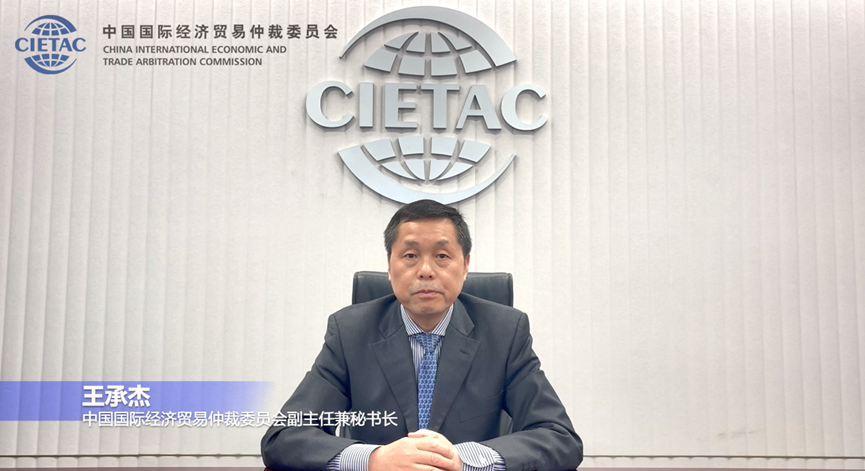
(CIETAC Vice Chairman and Secretary General, Wang Chengjie delivered an address)


In his opening address, Wang Chengjie noted that against the backdrop of the formal implementation of the newly revised Arbitration Law of the People’s Republic of China, the scope of application of the special arbitration system (i.e., ad hoc arbitration) has been moderately expanded, creating new avenues for the professional development of tribunal secretaries and demonstrating the openness and inclusiveness of China’s foreign-related arbitration regime. He noted that as the earliest arbitration institution established in the People’s Republic of China, CIETAC possesses 70 years of extensive experience in managing international arbitration proceedings. As such, it has the responsibility, capability, and imperative to contribute practical insights and reference points for the sound and orderly development of the ad hoc arbitration system in China. The course featured lectures by senior CIETAC arbitrators and experienced legal practitioners from Hong Kong. It offered multiple perspective—from both Mainland China and the Hong Kong SAR, as well as from arbitral institutions and arbitral tribunals—on the roles and functions of tribunal secretaries, providing a deeper and more nuanced understanding of international arbitration procedures. In conclusion, he expressed his hope that participants would benefit meaningfully from the training course, both in knowledge and reflection, and work together to further enhance the credibility and international competitiveness of Chinese arbitration.


(Vice-Chairman of Hong Kong Bar Association Xu Shaoding delivered the remark)


Vice Chairman Xu Shaoding noted that this course adopts a forward-looking approach in its design, covering topics such as the role of tribunal secretaries, the organization of case management conferences, and the application of artificial intelligence in arbitral proceedings, offering valuable insights for legal and arbitration professionals. He highlighted that Hong Kong’s position as an international arbitration hub under the “One Country, Two Systems” framework continues to be receive strong recognition. As professional and independent litigation experts, Hong Kong barristers possess the Bi-literacy and Tri-lingualism proficiency and the common law background, which equip them with comprehensive expertise in international arbitration. They serve not only as providers of professional legal services but also as a key driving force in promoting regional legal cooperation and the development of international arbitration. The Bar Association looks forward to continuing its collaboration with CIETAC in the coming year to jointly cultivate legal professionals and serve as a strong support for mainland enterprises in the global expansion.


(Senior Counsel and Vice-Chairman of the Hong Kong Bar Association, Ms. Xu Kaiyi delivered the remark)


Ms. Xu Kaiyi noted that tribunal secretaries are the backbone in ensuring that the efficient and orderly conduct of arbitration proceedings. Their professional competence and practical expertise have a direct bearing on the procedural efficiency and fairness. Particularly in ad hoc arbitration, where no arbitration institution is involved in the overall administration of proceedings, the professional support of the tribunal secretary becomes a crucial pillar supporting the function of the tribunal. It plays an indispensable role in safeguarding the standardized operation of ad hoc arbitration and enhancing the efficiency of dispute resolution. She added that the course plays a vital role in cultivating professional arbitration tribunal secretaries.


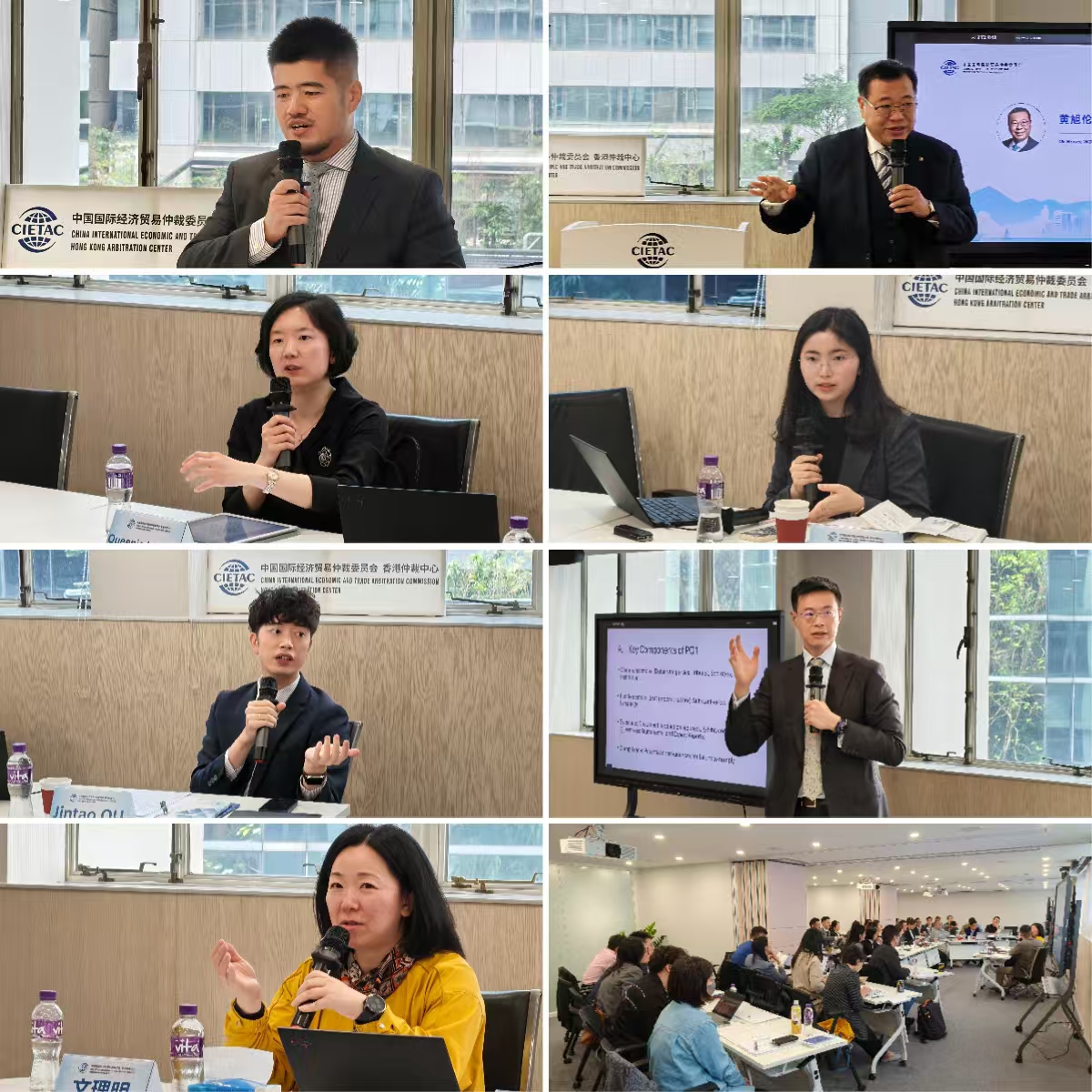
(From left to right and top to bottom: Wang Haocheng, Deputy Secretary-General of CIETAC Hong Kong Arbitration Center; Horace Wong S.C of Rede Chambers; Queenie Lau SC of Temple Chambers; Tao Yi, Assistant to the Secretary-General of the CIETAC Hong Kong Arbitration Center; Ou Jintao, Legal Counsel of the CIETAC Hong Kong Arbitration Center; Li Yixuan of Barrister of Des Voeux Chambers; Wen Liming, CIETAC Arbitrator and Attorney at Wen Liming Law Firm)


During the two-day module, Wang Haocheng, Deputy Secretary-General of CIETAC Hong Kong Arbitration Center; Horace Wong S.C of Rede Chambers; Queenie Lau SC of Temple Chambers; Tao Yi, Assistant to the Secretary-General of the CIETAC Hong Kong Arbitration Center; Ou Jintao, Legal Counsel of the CIETAC Hong Kong Arbitration Center; Li Yixuan of Barrister of Des Voeux Chambers; Wen Liming, CIETAC Arbitrator and Attorney at Wen Liming Law Firm, formed a faculty team. Drawing on their extensive practical experience, the faculty team delivered a systematic instruction covering the full lifecycle of international arbitration proceedings. Through case analyses, practical guidelines, and interactive Q&A sessions, they integrated international arbitration practices, CIETAC Arbitration Rules, and Hong Kong arbitration practices. The curriculum addressed both foundational practical areas and advanced operational skills. Core topics included the role and responsibilities of tribunal secretary, determination of the validity of arbitration agreements, service of process in arbitration proceedings, handling of complex procedural procedures, and the arrangement of case management conferences. Advanced training further covered drafting procedural order (including Procedural Order No.1), assisting in the award drafting, and arranging full hearing procedures. The course also focused on emerging and complex issues such as the application of artificial intelligence in arbitration proceedings, comparative practices between Mainland China and Hong Kong, and issues regarding the challenge of arbitral tribunals and secretaries. The course highly interactive and received unanimous praise from participants, marking a resounding success. Participants noted that the learning experience was highly beneficial, with rich and practice-oriented content that help clarify common and complex issues in international arbitration proceedings, laying a solid foundation for their future involvement in such proceedings.


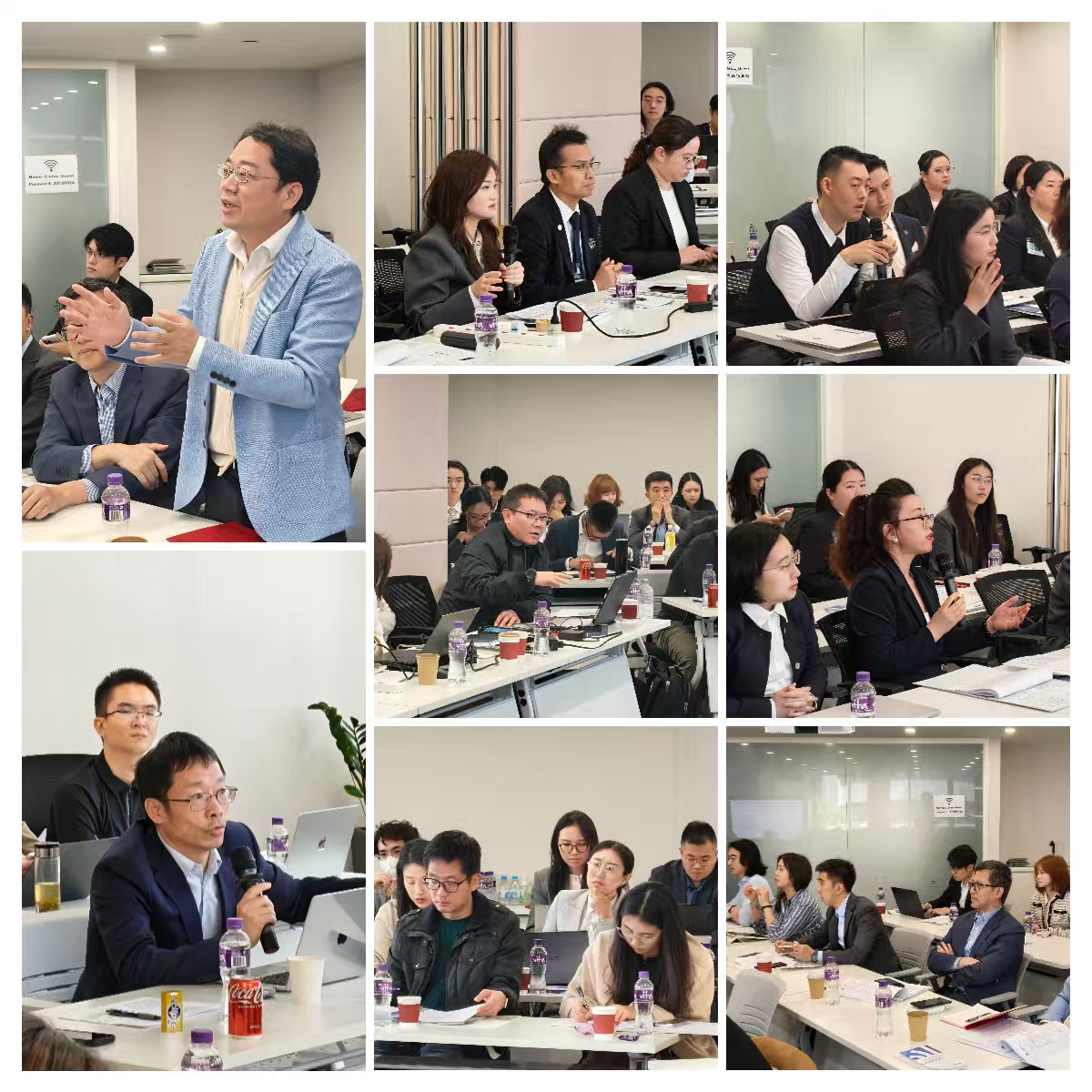
(Class Discussion)


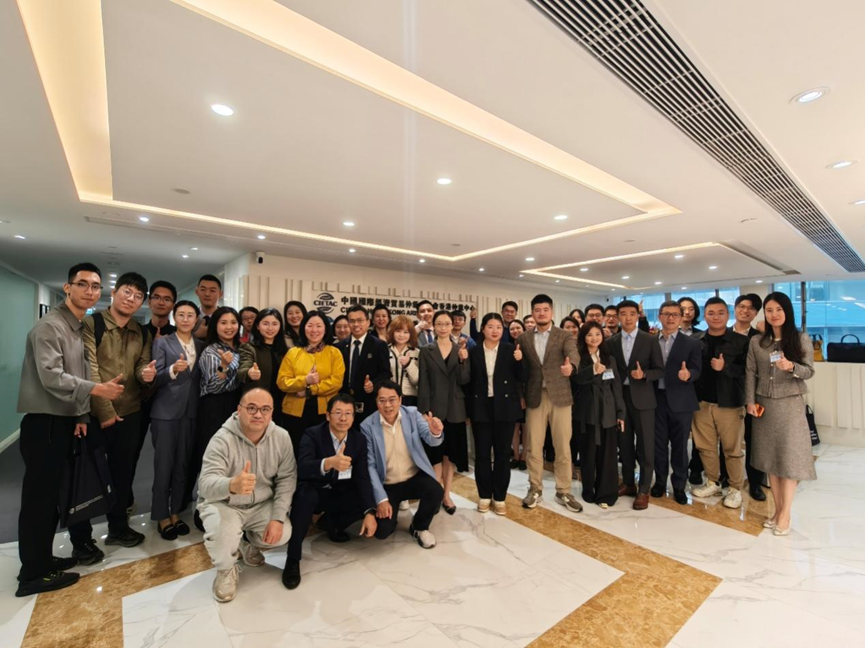
(Group photo of the trainees)


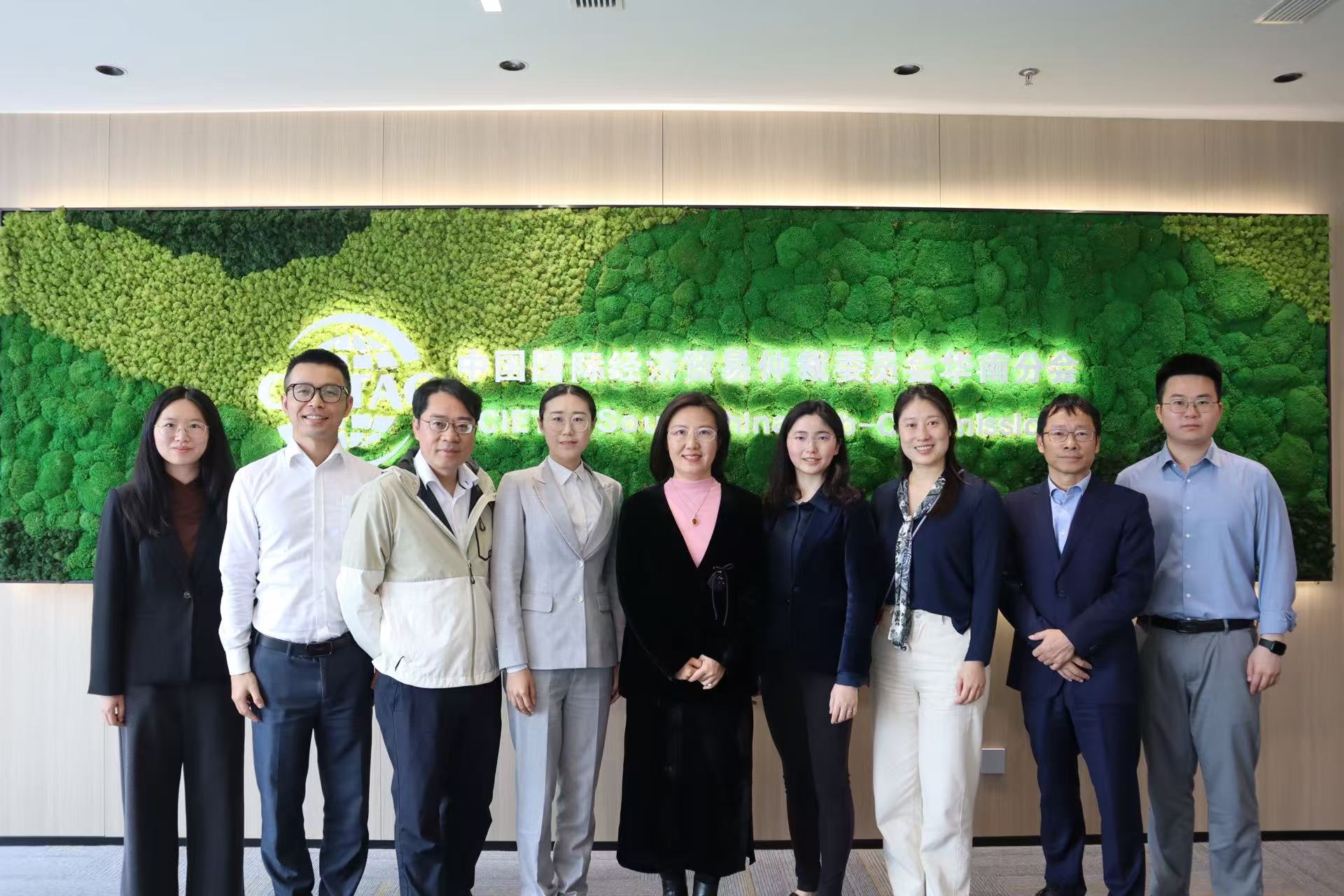
(A delegation of trainees visited CIETAC South China Sub-Commission)


On the morning of March 9, a delegation of trainees visited CIETAC South China Sub-Commission to gain an in-depth understanding of the development history of CIETAC and CIETAC South China Sub-Commission, as well as the notable achievements in recent years. The delegation also toured the modern office and courtroom facilities of the branch, as well as the CIETAC-Greater Bay Area International Arbitration Center. Jin Xi, Deputy Secretary-General of CIETAC South China Sub-Commission, received the delegation and hosted the meeting. Ao Yu, senior case manager of CIETAC South China Sub-Commission, provided the participants with a detailed overview of the latest business developments of CIETAC and CIETAC South China Sub-Commission.

Since the establishment in 2021, CIETAC International Arbitration Research Institute has remained committed to a “four-in-one” mandate encompassing arbitration education, talent development, academic research, and the advancement of the rule of law in arbitration. It has continuously developed high-quality professional arbitration training programs, becoming an important platform for cultivating international arbitration talent in China. Looking ahead, CIETAC International Arbitration Research Institute will continue to leverage CIETAC’s domestic and international network advantages and professional resources. It will further optimize the training curriculum for tribunal secretaries and launch subsequent series of courses in due course, providing more legal practitioners with access to professional training opportunities. CIETAC International Arbitration Research Institute aims to cultivate high-caliber, internationally oriented tribunal secretaries and professionals in international arbitration, thereby supporting the development of the rule of law in the Guangdong-Hong Kong-Macao Greater Bay Area. These efforts will contribute to the high-quality development of China’s international commercial arbitration, and enhance China’s voice and influence in the field of international commercial dispute resolution.

{{ article.quickLinkTitle ? article.quickLinkTitle : 'Quick Links' }}
Quick Links