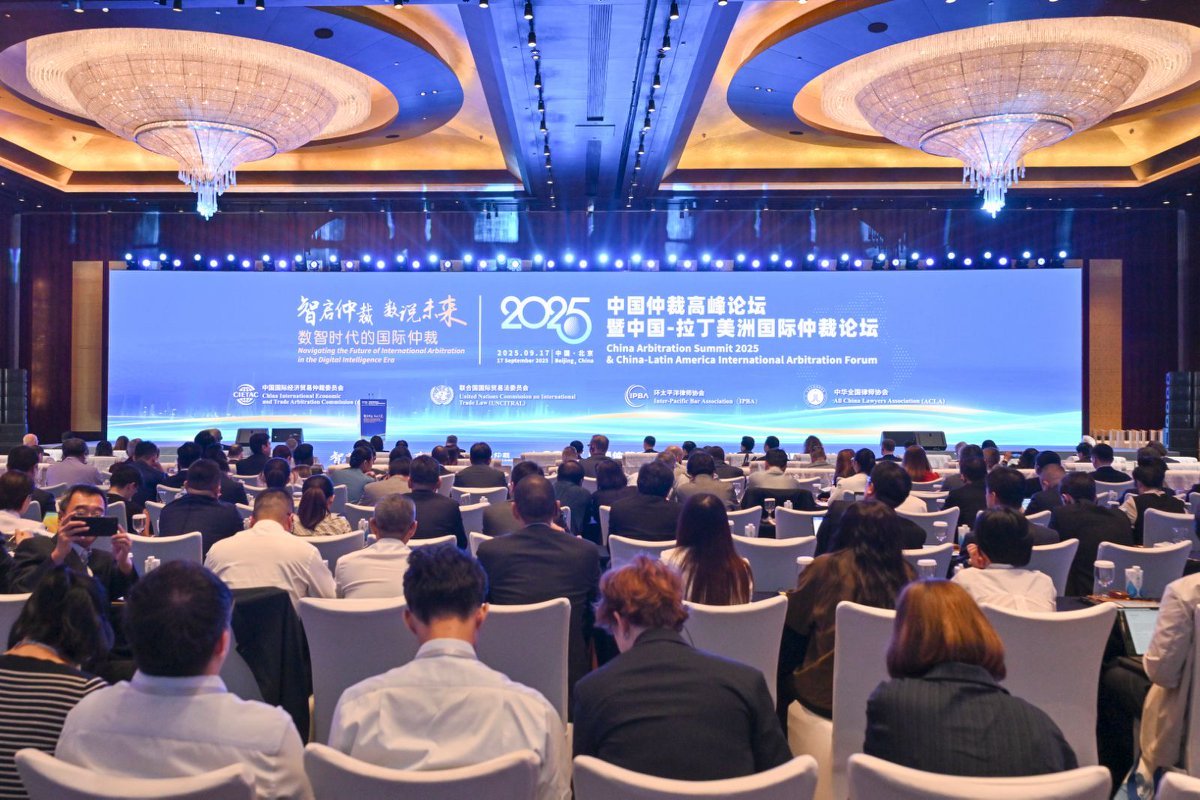
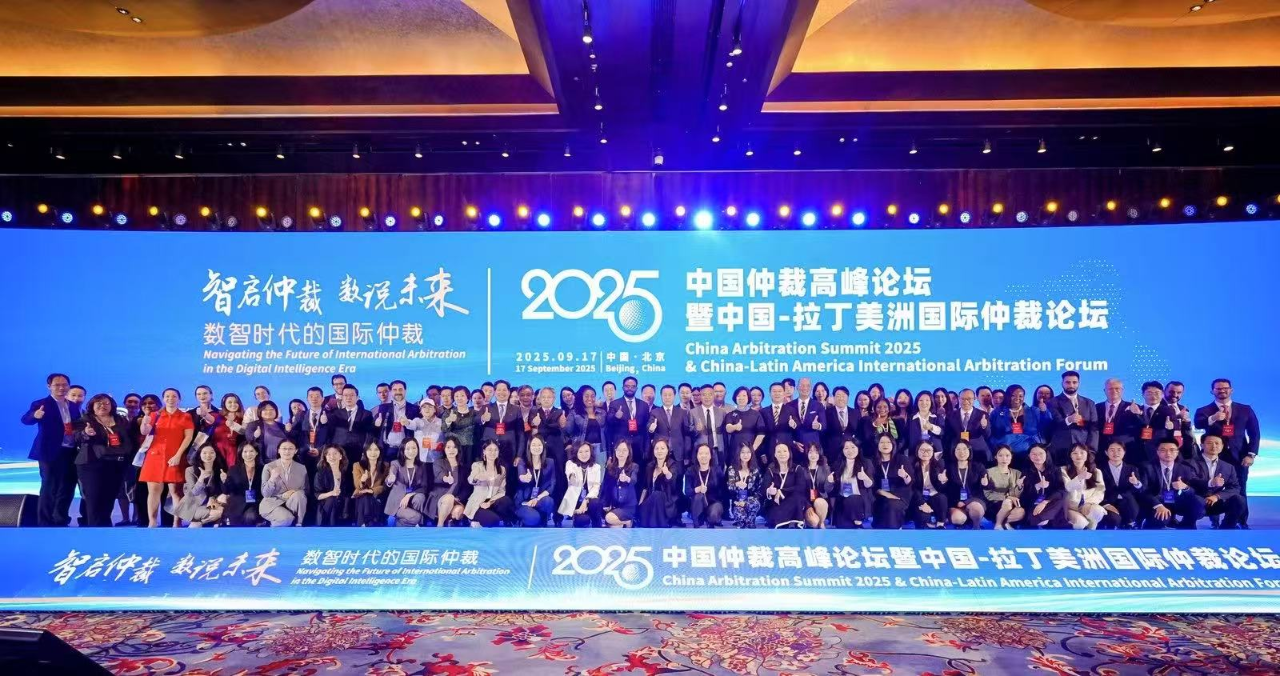
On September 17, the China Arbitration Summit 2025 & China- Latin America International Arbitration Forum were successfully held in Beijing. This forum was co-hosted by China International Economic and Trade Arbitration Commission (CIETAC), United Nations Commission on International Trade Law (UNCITRAL), Inter-Pacific Bar Association (IPBA), and All China Lawyers Association (ACLA). Nie Wenhui, Vice Chairman of China Council for the Promotion of International Trade (CCPIT), Wu Zeng, Vice Chairman of the Ministry of Justice, Wang Shumei, Member of the Supreme People’s Court Judicial Committee (Vice-Minister Level), Grand Justice of the Second Rank, and Michael CHU, President of IPBA, attended the opening ceremony and delivered speeches. Anna JOUBIN-BRET, Secretary of UNCITRAL, delivered a video speech. Wang Chengjie, Vice Chairman and Secretary General of CIETAC, presided over the opening ceremony and the launch of the Joint Action Plan for Promoting the Development of International Arbitration in the Digital and Intelligent Era (Joint Action Plan). Shen Hongyu, Chief Judge of Fourth Civil Division of Supreme People’s Court, Head of the Second International Commercial Court, and Sun Jin, Director-General of the Preparatory Office of the International Organization for Mediation (IOMed), delivered keynote speeches.


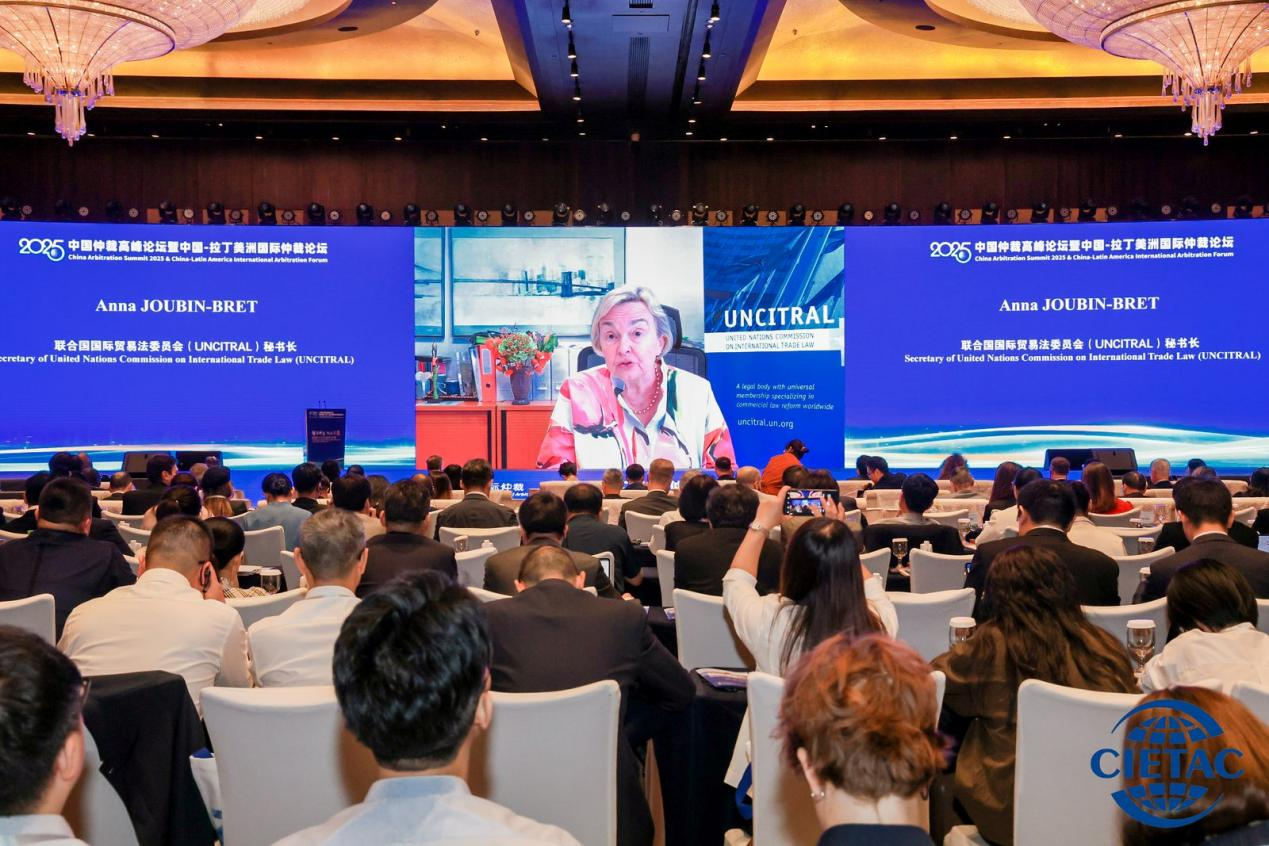
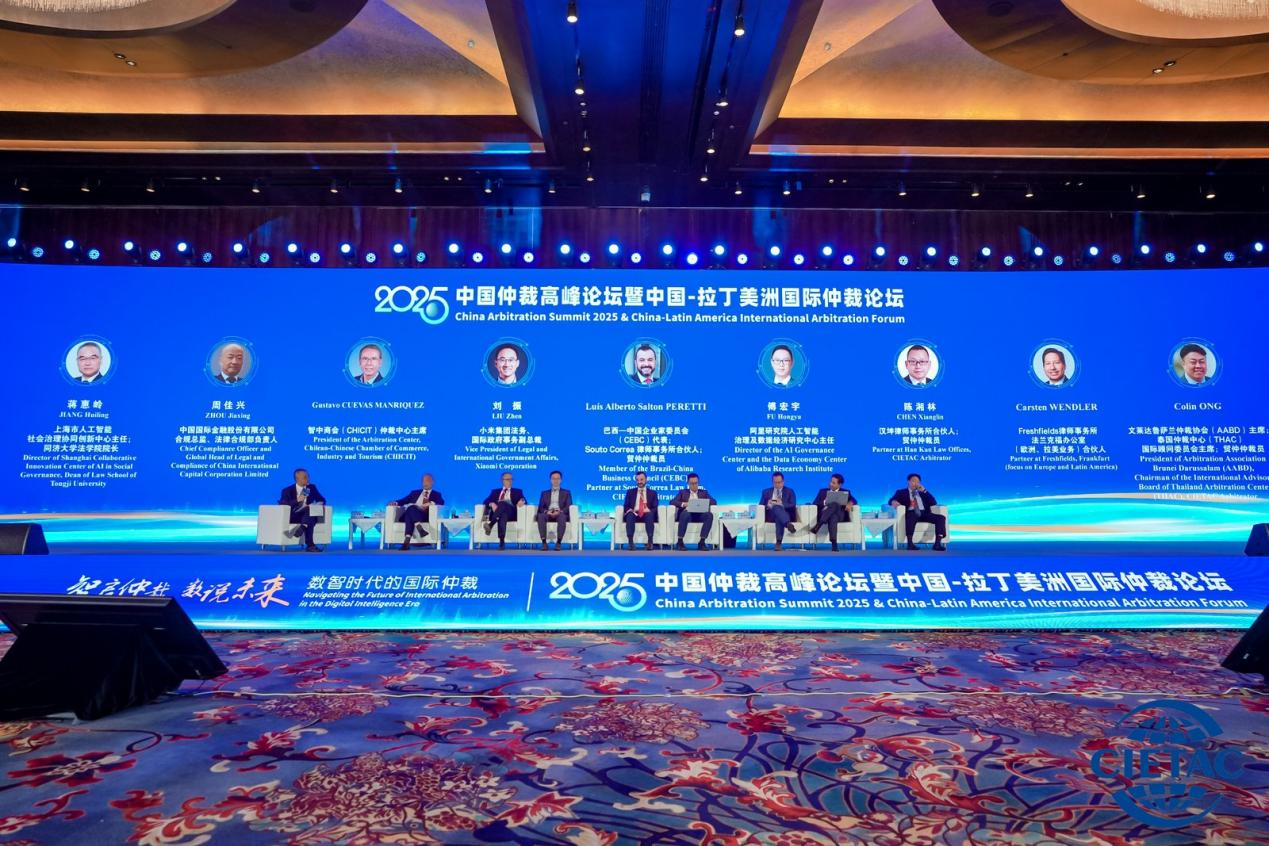
(Conference Venue)


Leaders from relevant departments including the National People's Congress, the Ministry of Foreign Affairs, the Ministry of Justice, the Taiwan Affairs Office of the State Council, the ACLA, High People's Court of Beijing Municipality, Beijing 4th Intermediate People's Court, Beijing Financial Court, Beijing Municipal Bureau of Justice, and Beijing Lawyers Association attended the opening ceremony. Nearly 500 leaders and representatives from foreign embassies and consulates, international organizations, as well as major domestic and foreign arbitration institutions, courts, large enterprises, bar associations, and law firms from 52 countries and regions attended the forum in person, including 237 foreign guests. Among them, there were 119 leaders and representatives from 51 international organizations and major foreign dispute resolution institutions. The livestream was watched for over 5.1 million times by audience from 103 countries and regions around the world. Latin America is an important participant in the joint construction of the Belt and Road Initiative. CIETAC has established institutional cooperation with arbitration and legal institutions in Latin America. 

To further deepen exchanges and cooperation in the field of dispute resolution between China and Latin America, the China-Latin America International Arbitration Forum was held concurrently with the Summit, aiming to pool the wisdom and strength of the arbitration community in China, Latin America and the world, and promote the coordinated development of international rule of law.


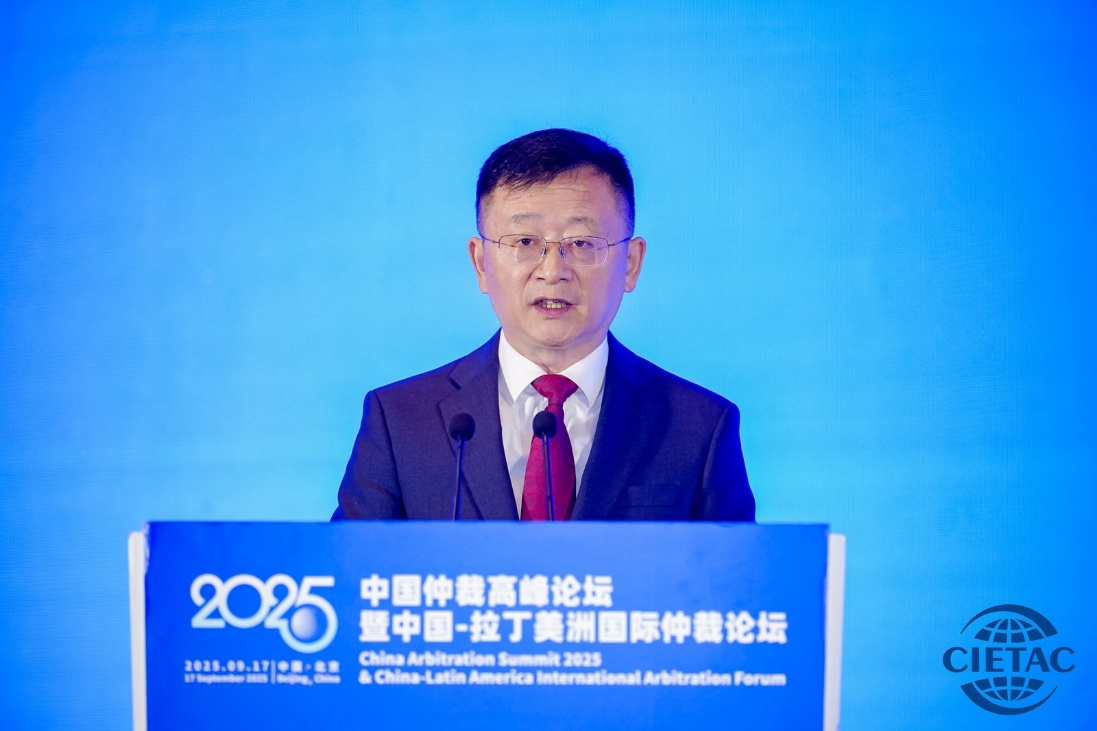
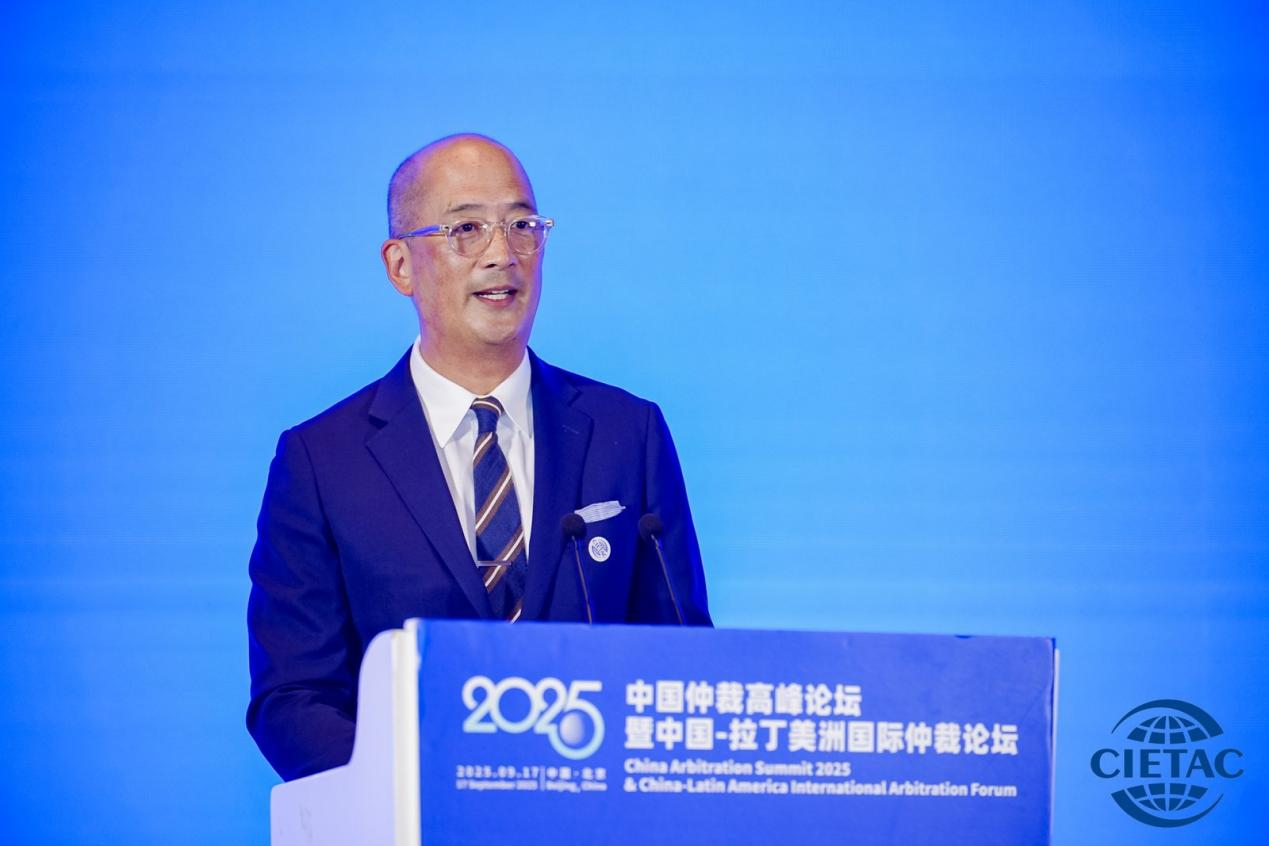
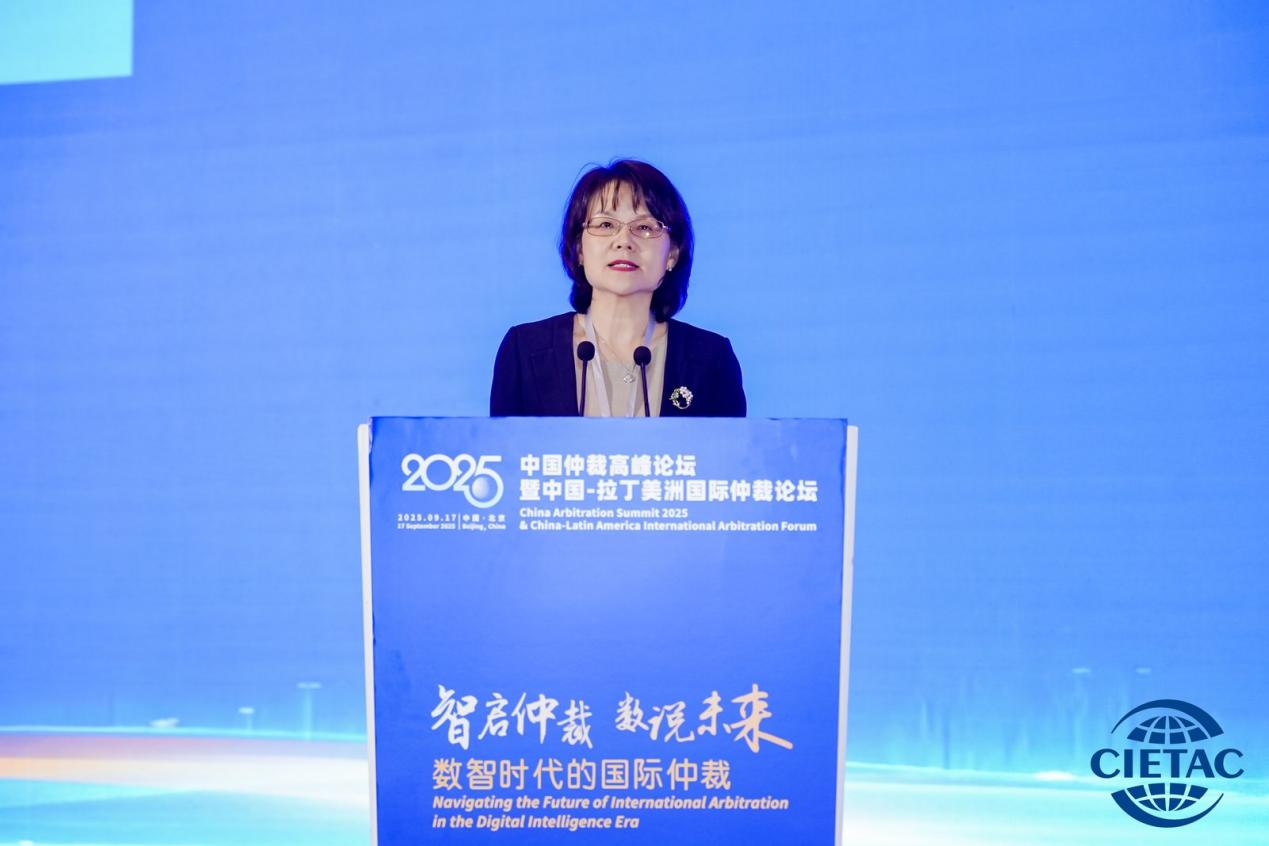
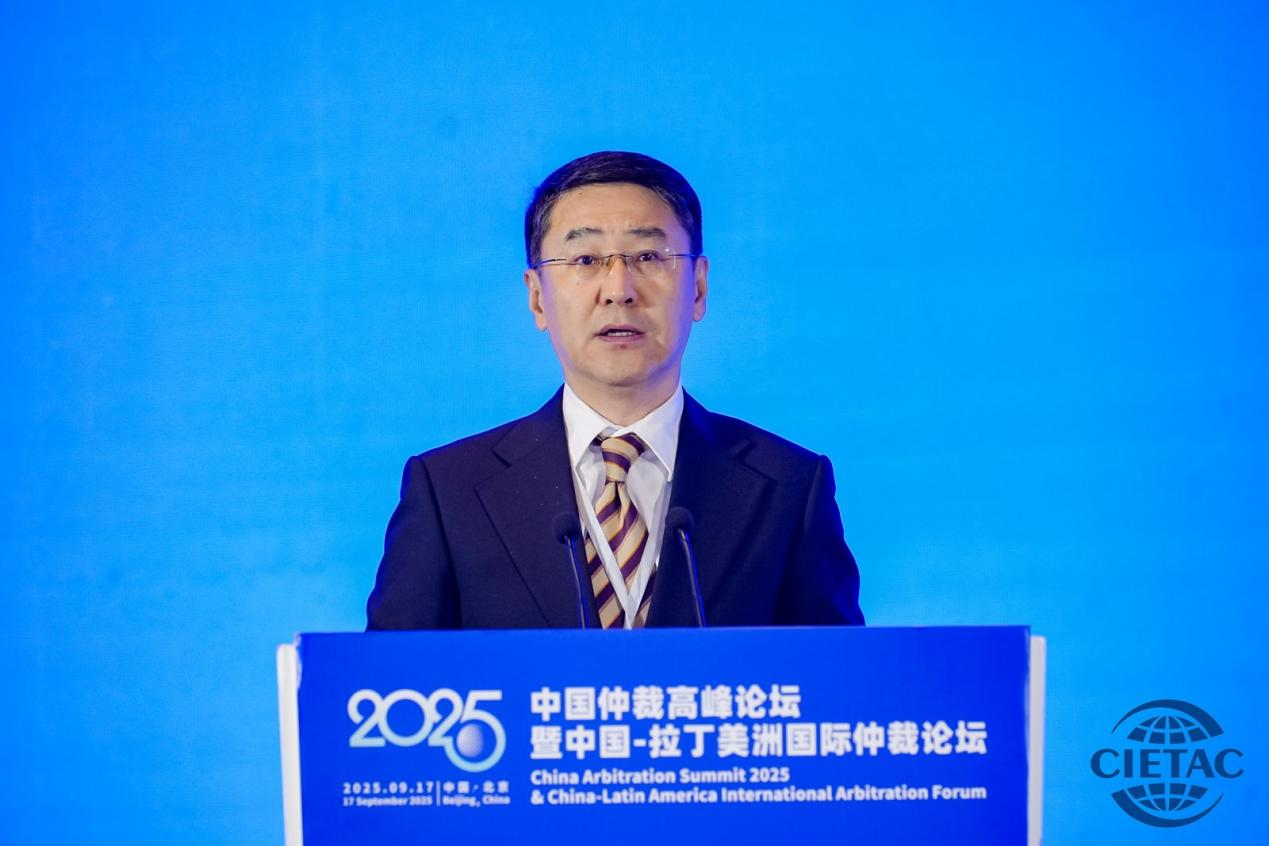
(Nie Wenhui, Vice Chairman of CCPIT, delivered a speech at the opening ceremony)


In her speech, Vice Chairman Nie Wenhui pointed out that at present, international arbitration has entered into a new stage of comprehensive restructuring, technological innovation, and historic leap forward. "Artificial Intelligence + Arbitration" is highly systematic, international and forward-looking. It is necessary to promote the in-depth integration of digital and intelligent arbitration, and ensure the independence, impartiality and efficiency of arbitration under digital and intelligent technologies; deepen international digital and intelligent cooperation in arbitration, and jointly build an open, transparent, inclusive and efficient new ecology of international arbitration.


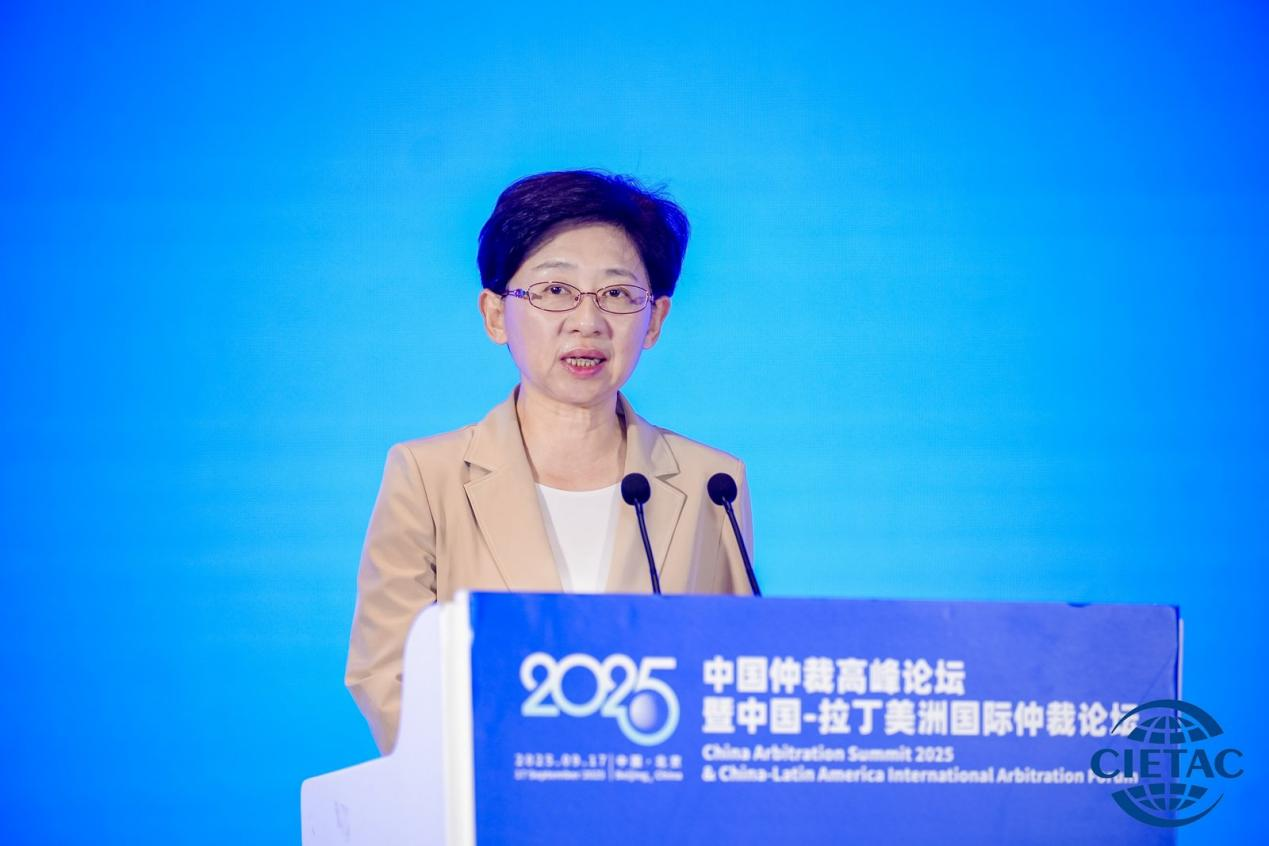
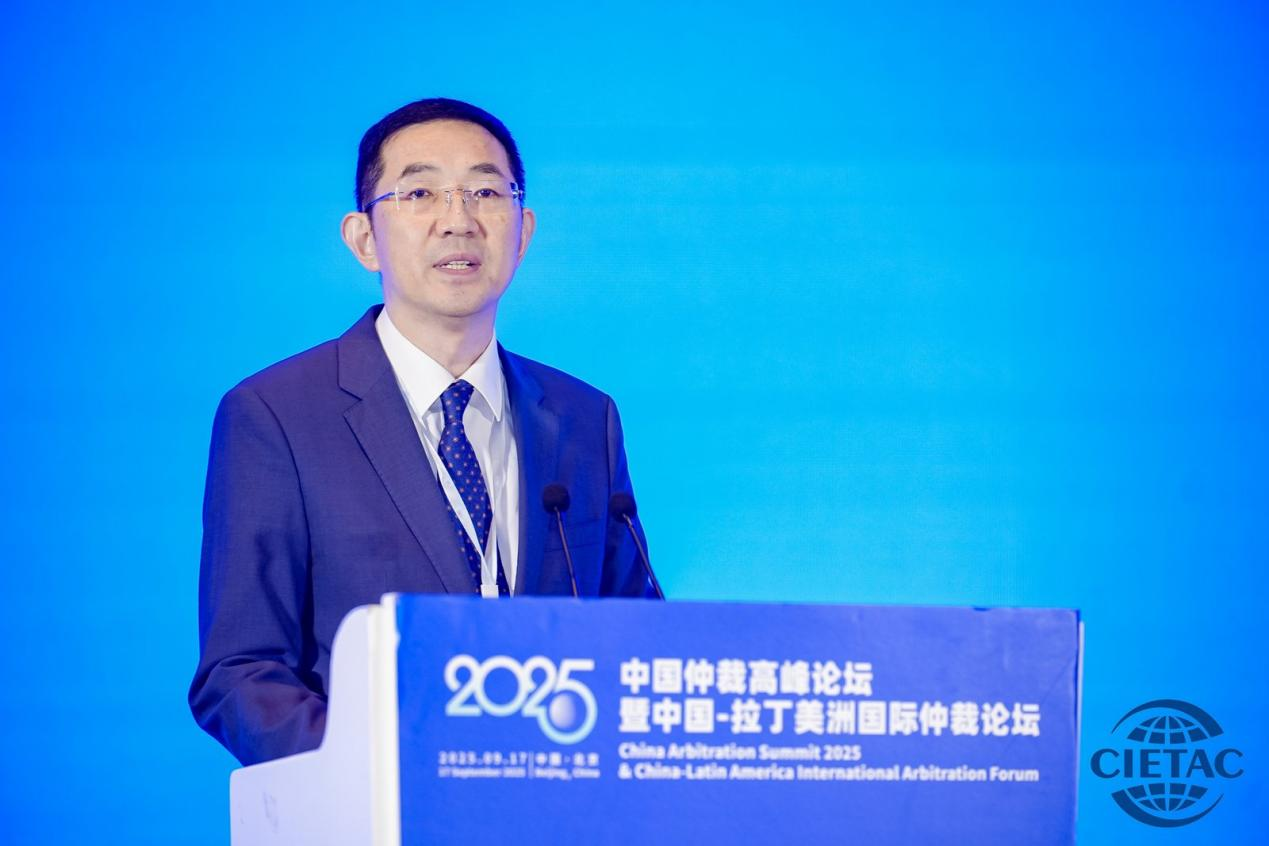
(Wu Zeng, Vice Chairman of the Ministry of Justice, delivered a speech at the opening ceremony)


In her speech, Vice Minister Wu Zeng pointed out that the Ministry of Justice has thoroughly practiced Xi Jinping Thought on the Rule of Law, steadily promoted the construction of an international commercial arbitration center, and China's arbitration cause has entered into a new period of vigorous development. It is necessary to thoroughly implement the newly revised Arbitration Law, comprehensively improve China's arbitration service capacity, continuously deepen international exchanges and cooperation, and provide a solid legal guarantee for international economic and trade exchanges.


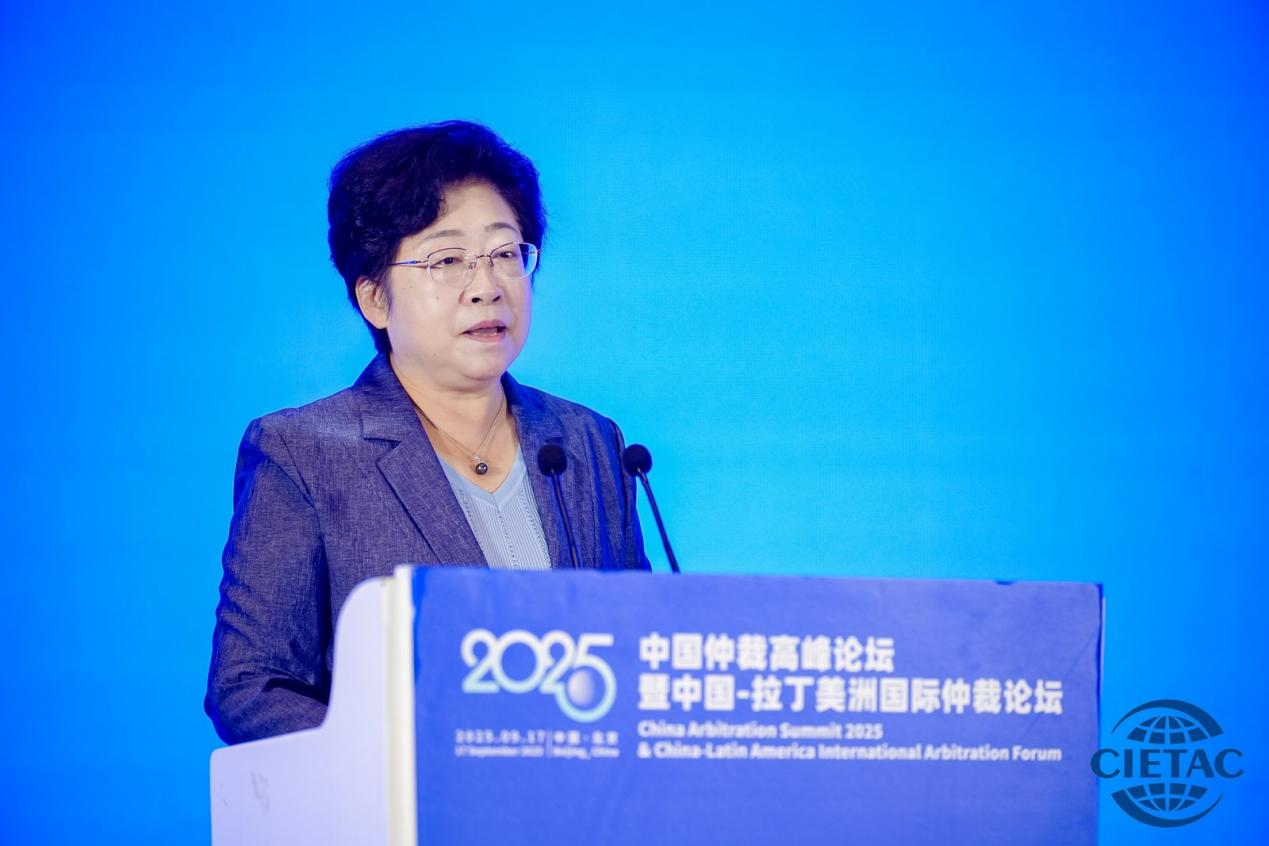
(Wang Shumei, Member of the Supreme People’s Court Judicial Committee (Vice-Minister Level), Grand Justice of the Second Rank, delivered a speech at the opening ceremony)


In her speech, Wang Shumei said that in recent years, Chinese courts have actively responded to the needs of digital economic development, promoted the in-depth integration of dispute resolution mechanisms with artificial intelligence, improved the intensive efficiency of dispute resolution, supported and supervised arbitration in accordance with the law, explored the full-process "online handling" of arbitration preservation and judicial review, continuously released the synergy effect of digital and intelligent technologies, improved the "one-stop" platform for the diversified resolution of international commercial disputes, and provided online services for Chinese and foreign parties in the diversified resolution of disputes. Chinese courts will work with legal colleagues from all countries to deepen the application of artificial intelligence in the field of dispute resolution, and contribute Chinese judicial wisdom and legal strength to promoting the healthy and orderly development of the international commercial dispute resolution mechanism.


(Anna JOUBIN-BRET, Secretary of UNCITRAL, delivered a video speech)


In her video speech, Anna JOUBIN-BRET, Secretary of United Nations Commission on International Trade Law (UNCITRAL), said that UNCITRAL has done a lot of work in promoting the coordinated development of dispute resolution and digitalization. The application of artificial intelligence in dispute resolution must be based on enhancing international cooperation and safeguarding technical ethics. It is necessary to both prevent risks and ensure the cross-border enforceability of arbitration awards, enhance the credibility of international arbitration and adapt it to the needs of digital economic development. It is hoped that experts from all walks of life will conduct in-depth discussions on how artificial intelligence can help improve arbitration efficiency and maintain trade fairness, and jointly build a more efficient, transparent and trustworthy international arbitration system.


(Michael CHU, President of the Inter-Pacific Bar Association, delivered a speech at the opening ceremony)


In his speech, Michael CHU, President of IPBA, said that IPBA brings together legal professionals from many parts of the world, with the core mission of promoting exchanges and development in the legal field of the Asia-Pacific region. Faced with the two major issues of artificial intelligence and global cooperation, IPBA has carried out a series of work around AI ethical norms, cybersecurity applications and other issues. In the future, it will continue to adhere to the principle of balancing innovation and prudence, cultivate the insight and ethical norms for the efficient application of AI technology, and ensure that AI technology becomes the cornerstone for improving the quality and efficiency of dispute resolution.


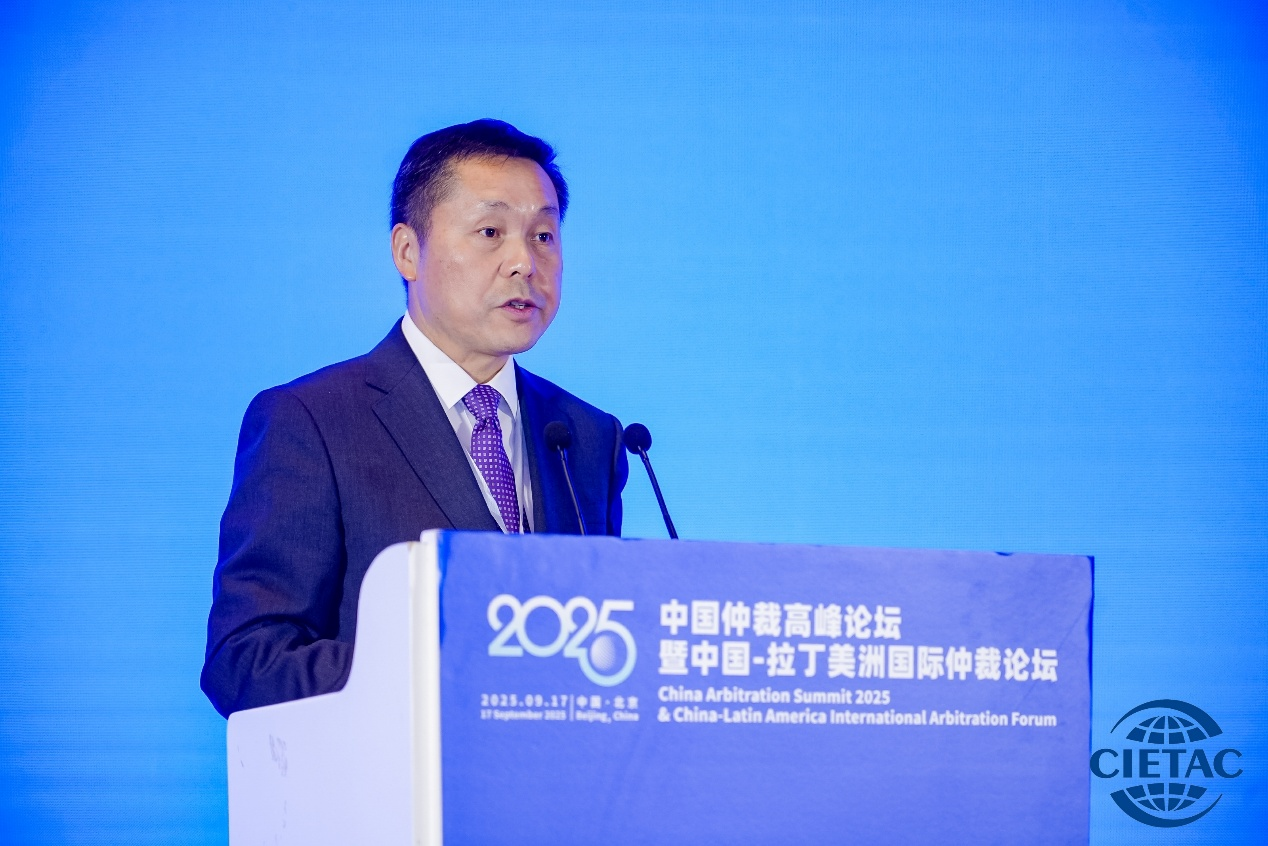
(Wang Chengjie, Vice Chairman & Secretary General of CIETAC, presided over the launch of achievement)


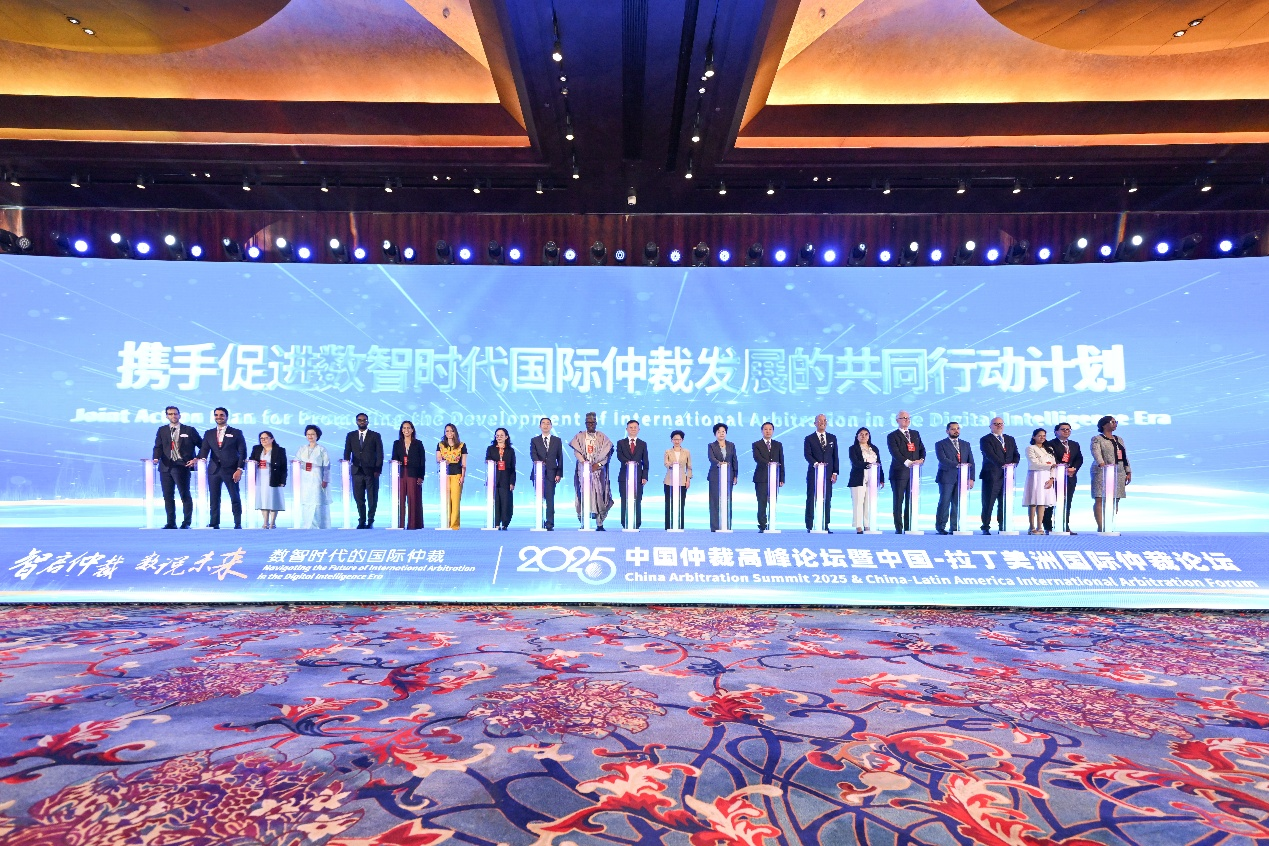
Artificial intelligence, as the core driving force of the new round of technological revolution and industrial transformation, is profoundly reshaping human society. To actively respond to the new needs of international arbitration development in the digital and intelligent era and promote the cooperation and application of artificial intelligence in the field of international arbitration, CIETAC released the Joint Action Plan, which has received extensive support from 74 international organizations and dispute resolution institutions around the world. The Joint Action Plan calls on international organizations, arbitration institutions, technology enterprises, academia and other parties to jointly promote the safe, reliable and sustainable application of artificial intelligence in arbitration, with the goals of "inclusive sharing and bridging gaps", "respecting rights and safeguarding procedures", "enhancing transparency and promoting justice", and "coordinated governance and establishing standards". First, expand application scenarios and explore the in-depth integration of "AI + Arbitration"; second, consolidate the technological foundation and promote collaborative innovation among institutions, enterprises and academia; third, standardize data governance and strengthen information security and risk prevention and control mechanisms; forth, standardize data governance and strengthen information security and risk prevention and control mechanisms; fifth, strengthen international exchanges and cooperation and jointly build an open and transparent intelligent arbitration ecosystem. The Joint Action Plan regards the integrated development of artificial intelligence and international arbitration as a breakthrough to improve arbitration efficiency and give play to arbitration advantages in the new era, puts AI capacity building and international cooperation in a prominent position, and contributes Eastern wisdom to the international arbitration community in addressing the common challenges brought by the digital revolution. Anna JOUBIN-BRET, Secretary of UNCITRAL, highly praised the Joint Action Plan in her speech, believing that the plan aims to promote inclusive development, ensure procedural norms, enhance transparency, and advance the construction of collaborative procedures and governance mechanisms, which will surely set a good example for exploring the future development path of international arbitration in the digital and intelligent era. The launch of the Joint Action Plan was held at the forum, presided over by Wang Chengjie, Vice Chairman & Secretary General of CIETAC. Vice Chairman Nie Wenhui, Vice Minister Wu Zeng, Member Wang Shumei, Secretary General Wang Chengjie, Director Sun Jin, as well as 22 representatives from international organizations and major international arbitration institutions including UNCITRAL, IPBA, and African Arbitration Promotion Association, stepped onto the rostrum to jointly support the launch of the Joint Action Plan, and warm applause broke out at the venue to congratulate. 


(Launch of the Joint Action Plan, from left to right: Martín Vainstein, Secretary of the Board of Directors of the Mediation and Arbitration Center of the Chamber of Commerce of Argentina (CEMARC); Felipe Varela Mello, Member of the Board of Directors of the Brazilian Mediation and Arbitration Center; Dennia María Fernández Morales, Director of Arbitration and Mediation Center of the Bar Association of Costa Rica (CAM-CR); Dato' Mary Lim Thiam Suan, Director of the Asian International Arbitration Center; Tewodros Getachew Tulu, President of the Pan-African Lawyers Union (PALU), President of Ethiopian Federal Advocates Association (EFAA); Marianella Ventura Silva, Secretary General of the National and International Arbitration Center of the Lima Chamber of Commerce (CCL); Frida Paola Altamirano Jiménez, Secretary General of the Mexican Arbitration Center; Athita Komindr, Head of the UNCITRAL Regional Centre for Asia and the Pacific; Director Sun Jin; Gaston Kenfack Douajni, Director of Legislation at the Ministry of Justice in Cameroon, President of the Association for the Promotion of Arbitration in Africa (APAA) and the African Arbitration Association (AfAA); Vice Chairman Nie Wenhui; Vice Minister Wu Zeng; Member Wang Shumei; Secretary General Wang Chengjie; President Michael CHU; Millaray Silvia Amada González Gatica, Secretary General of the Chilean National Arbitration Center; Nikolaus Pitkowitz, President of the Vienna International Arbitral Centre; Hamed Hassan Merah, CEO of the Saudi Center for Commercial Arbitration (SCCA); Attila Berzeviczi, President of the Hungarian Chamber of Commerce Arbitration Court; Thara Gopalan, Vice President of the International Centre for Dispute Resolution of American Arbitration Association (ICDR-AAA); Roger Martin Rubio Guerrero, President of the International Court of Arbitration of the American Chamber of Commerce in Peru; Tanya Renata Goddard, Secretary General of the National and International Arbitration Centre of the Lima Chamber of Commerce (CCL)


(Keynote Speech by Shen Hongyu, Chief Judge of Fourth Civil Division of Supreme People’s Court, Head of the Second International Commercial Court)


In the keynote speech session, Chief Judge Shen Hongyu introduced the innovative highlights of the newly amended Arbitration Law in improving the foreign-related arbitration system. She stated that people's courts will formulate relevant judicial policies to support the high-quality and international development of arbitration, formulate judicial interpretations to ensure the smooth implementation of the new Arbitration Law, form a joint force for dispute resolution to promote the construction of a preferred destination for international commercial dispute resolution, and as always support and supervise arbitration in accordance with the law, abide by treaty obligations, adhere to the concept of facilitating the enforcement of awards, make full preparations for the comprehensive and accurate implementation of the new Arbitration Law, and provide strong judicial services and guarantees for the high-quality joint construction of the Belt and Road and high-level opening-up.


[Keynote Speech by Sun Jin, Director-General of the Preparatory Office of the International Organization for Mediation (IOMed)]


Director Sun Jin introduced the development history, vision and purpose of the International Organization for Mediation (IOMed).He stated that IOMed is committed to providing a new platform for the peaceful settlement of international disputes. In the digital and intelligent era, IOMed will continue to cultivate a mediation culture, use digital technology to improve the accessibility and efficiency of mediation, narrow the digital divide through capacity building, promote the improvement of mediation rules, reduce dispute resolution costs, promote the parallel development of litigation, arbitration and mediation, and help global business entities achieve long-term and sustainable cooperation. 

With the theme of "Navigating the Future of International Arbitration in the Digital Intelligence Era", this forum gathered more than 40 experts from 22 countries and regions around the world, including representatives of international organizations, arbitration and legal circles, and corporate practitioners. They delivered speeches around three topics: "Smart Connectivity: Building Global Digital Intelligence Network for International Arbitration", "Ethical Parameters: Redefining Boundaries for Digital Intelligent Assistance in International Arbitration", and "Strategic Governance: Charting the Pathways of Industries in International Arbitration with Digital Intelligence". In-depth discussions were held on cutting-edge issues such as digital and intelligent cooperation and institutional innovation in international arbitration, the practice and risk governance of AI-assisted arbitration, and the arbitration challenges and service provision in the digital and intelligent transformation of industries.


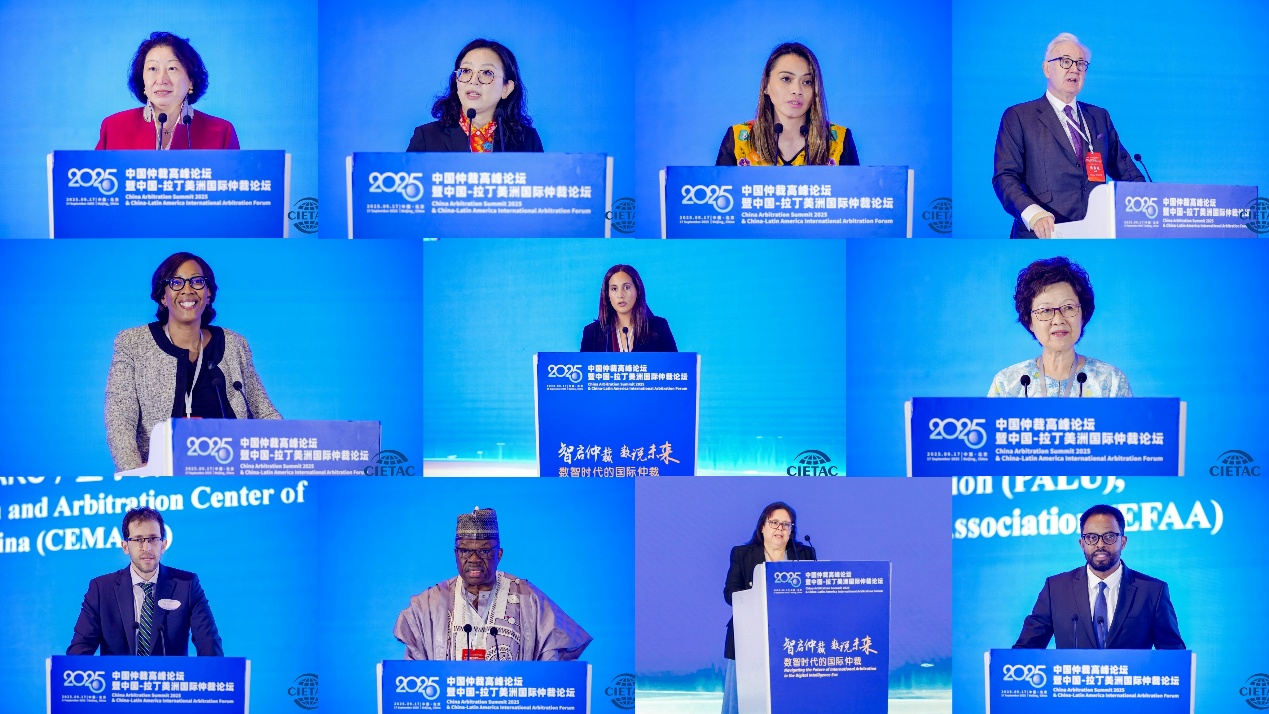
 [session I Themed Speeches: "Smart Connectivity: Building Global Digital Intelligence Network for International Arbitration" (from left to right, top to bottom): Teresa Cheng, Adjunct Professor of Tsinghua University, Co-Chair of the Asian Academy of International Law (AAIL), Former Secretary for Justice of the Hong Kong SAR, CIETAC Arbitrator (Moderator of Topic 1); Athita Komindr, Head of the UNCITRAL Regional Centre for Asia and the Pacific; Frida Paola Altamirano Jiménez, Secretary General of the Mexican Arbitration Center (CAM) ; Nikolaus Pitkowitz, President of the Vienna International Arbitral Centre; Tanya Renata Goddard, Secretary General of the Arbitration and Mediation Court of the Caribbean (AMCC); Marianella Ventura Silva, Secretary General of the National and International Arbitration Center of the Lima Chamber of Commerce (CCL); Dato' Mary Lim Thiam Suan, Director of the Asian International Arbitration Center (AIAC); Martín Vainstein, Secretary of the Board of Directors of the Mediation and Arbitration Center of the Chamber of Commerce of Argentina (CEMARC) ; Gaston Kenfack Douajni, Director of Legislation at the Ministry of Justice in Cameroon, President of the Association for the Promotion of Arbitration in Africa (APAA) and the African Arbitration Association (AfAA), CIETAC Arbitrator; Dennia María Fernández Morales, Director of Arbitration and Mediation Center of the Bar Association of Costa Rica (CAM-CR); Tewodros Getachew Tulu, President of Pan African Lawyers Union (PALU),  President of Ethiopian Federal Advocates Association (EFAA)]


In the first session, the speakers conducted in-depth discussions on the profound impact of the digital revolution and artificial intelligence on the international arbitration ecosystem. They advocated that against the background of diverse legal systems, cultural traditions and technological development gaps, the international arbitration community should continuously build consensus, strengthen cooperation, promote sharing through consultation, and through formulating laws, revising rules, and improving the arbitration toolbox, promote the unity of efficiency and justice through higher-level rule innovation, consolidate the credibility of international arbitration in the digital and intelligent era, and jointly promote arbitration cooperation in the digital and intelligent era to a new stage.


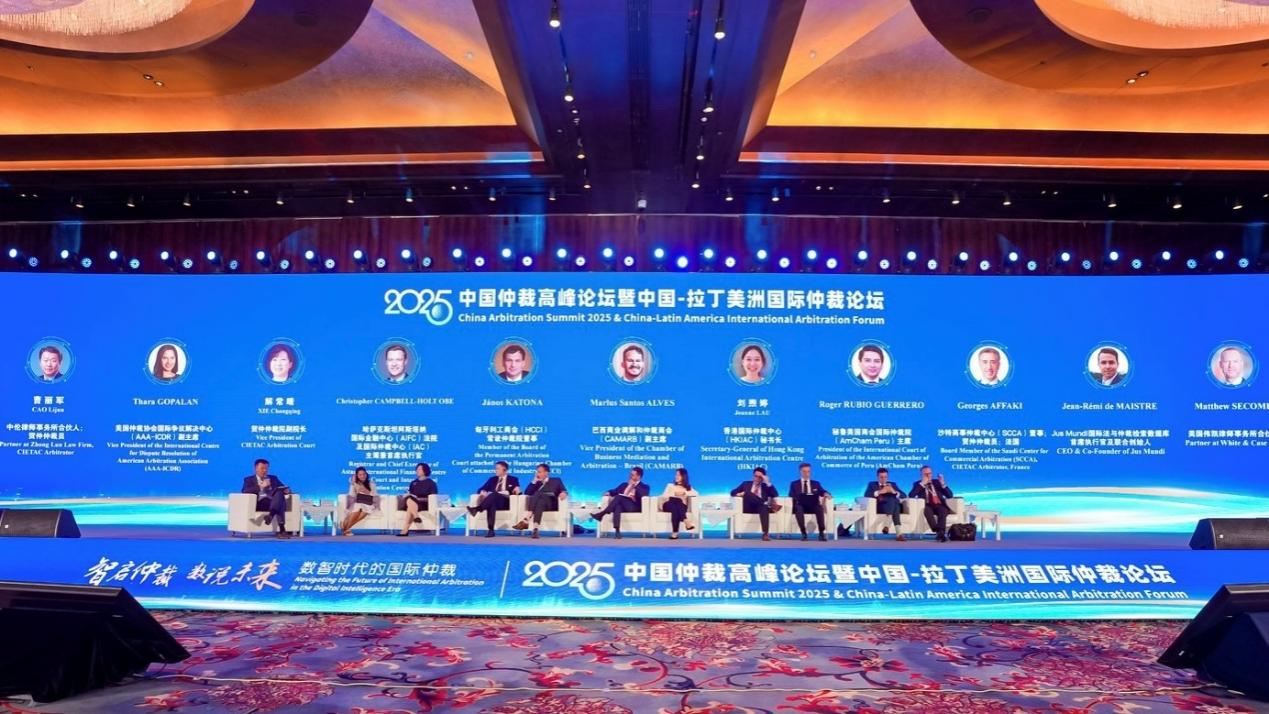
[session II Panel Discussion: "Ethical Parameters: Redefining Boundaries for Digital Intelligent Assistance in International Arbitration" (from left to right): Cao Lijun, Partner of Zhong Lun Law Firm, CIETAC Arbitrator (Moderator of Topic 2); Thara Gopalan, Vice President of the International Centre for Dispute Resolution of American Arbitration Association (ICDR-AAA); Xie Changqing, Vice President of CIETAC Arbitration Court; Christopher CAMPBELL-HOLT OBE, Registrar and Chief Executive of Astana International Financial Centre (AIFC) Court and International Arbitration Centre (IAC); János KATONA, Member of the Board of the Permanent Arbitration Court attached to the Hungarian Chamber of Commerce and Industry (HCCI) ; Marlus Santos Alves, Vice President of the Chamber of Business Mediation and Arbitration – Brazil (CAMARB) ; Joanne LAU, Secretary-General of Hong Kong International Arbitration Centre (HKIAC); Roger Martin Rubio Guerrero, President of the International Court of Arbitration of the American Chamber of Commerce of Peru (AmCham Peru); Georges Affaki, Director of the Saudi Commercial Arbitration Center and CIETAC Arbitrator; Jean-Rémi de MAISTRE, CEO & Co-Founder of Jus Mundi Jean-Rémi de MAISTRE; Matthew Secomb, Partner at White & Case LLP]


In the second session, the panelists focused on core issues such as AI-assisted practice, technological ethics and rule construction, and in-depth discussed the application paths of AI technology in optimizing data management, enhancing evidence analysis, and improving hearing efficiency. They also proposed countermeasures to prevent new risks such as data security vulnerabilities, algorithmic bias and AI hallucinations, and jointly promoted the development of "AI + Arbitration" in a standardized manner and innovation in a safe environment.


[Session III Panel Discussion: "Strategic Governance: Charting the Pathways of Industries in International Arbitration with Digital Intelligence" (from left to right):JIANG Huiling, Director of Shanghai Collaborative Innovation Center of AI in Social Governance; Dean of Law School of Tongji University (Moderator of Topic 3); Joe ZHOU, Chief Compliance Officer and Head of Legal and Compliance of China International Capital Corporation Limited ; Gustavo CUEVAS MANRIQUEZ, President of the Arbitration Center, Chilean-Chinese Chamber of Commerce, Industry and Tourism (CHICIT); LIU Zhen, Vice President of Legal and International Government Affairs, Xiaomi Corporation; Luís Alberto Salton PERETTI, Member of the Brazil-China Business Council (CEBC); Partner at Souto Correa Law Firm; CIETAC Arbitrator ; FU Hongyu, Director of the AI Governance Center and the Data Economy Center of Alibaba Research Institute; CHEN Xianglin, Partner at Han Kun Law Offices; CIETAC Arbitrator; Carsten WENDLER, Partner at Freshfields Bruckhaus Deringer Frankfurt Office (focus on Europe and Latin America) ; Colin ONG, President of Arbitration Association Brunei Darussalam (AABD);  Council Member of Borneo International Centre for Arbitration and Mediation (BICAM); CIETAC Arbitrator]


In the third session, the panelists focused on key areas such as fintech, artificial intelligence, cross-border e-commerce, electric vehicles, and aerospace, and in-depth discussed the new needs and challenges brought by the digital and intelligent transformation of various industries to international arbitration. They also conducted constructive exchanges and discussions on how arbitration can better serve the upgrading of traditional industries, support the development of emerging industries, and thus help build a safer, more stable and open global industrial chain and supply chain system.


(Gu Yan, Vice President of CIETAC Arbitration Court, Presided over the Closing Ceremony)


The one-day conference came to an end amid enthusiastic discussions and mutual learning. At the closing ceremony, Gao Zicheng, President of All China Lawyers Association, and Wang Chengjie, Vice Chairman & Secretary General of CIETAC, delivered closing speeches respectively. Gu Yan, Vice President of CIETAC Arbitration Court, presided over the closing ceremony.


GAO Zicheng, President of All China Lawyers Association (ACLA), gave a closing remark. 


President Gao Zicheng pointed out in his speech that international arbitration is standing at the forefront of digital and intelligent transformation. As an indispensable supporting force of the arbitration system, lawyers should actively adapt to the new requirements of the digital and intelligent era, continuously improve their digital and intelligent knowledge and foreign-related legal services, while adhering to professional ethics and maintaining independent judgment. They should adapt to the digital and intelligent transformation of international arbitration with a higher professional standard and contribute professional strength to building a more efficient and convenient international arbitration system.


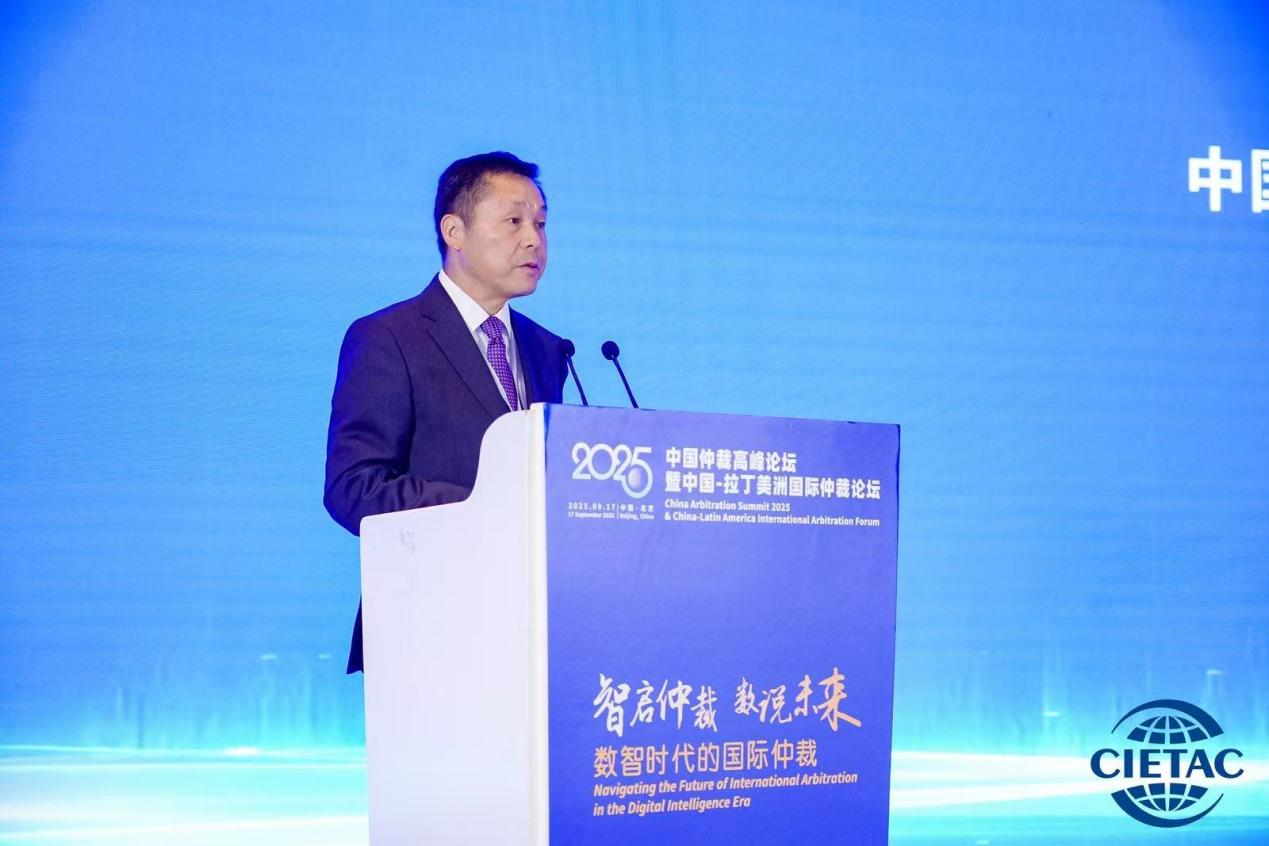
(Closing Speech by Wang Chengjie, Vice Chairman & Secretary General of CIETAC)


Secretary General Wang Chengjie stated in his speech that the essence of the sustainable and high-quality development of international arbitration in the future lies in responding to distinct era demands, grasping unique institutional advantages, and adhering to the core values of impartiality and efficiency. International arbitration cooperation in the digital and intelligent era is moving towards a higher level, deeper depth and broader field. CIETAC will, as always, uphold the concept of win-win cooperation and common development, work with the international arbitration community, and jointly open up a new era of global cooperation and development in international arbitration. This summit has built a high-standard platform for the global arbitration and legal community to jointly explore AI-enabled international arbitration and discuss global arbitration cooperation plans. Participants conducted in-depth exchanges around core issues such as the digital transformation of international arbitration, the application of artificial intelligence and global governance, and regional arbitration cooperation, reached broad consensus and achieved practical results. This summit has fully demonstrated the increasingly enhanced global perspective, innovative thinking and international influence of Chinese arbitration institutions represented by CIETAC, and clearly conveyed to the world a firm signal that China is gradually becoming a preferred global destination for international commercial arbitration.


(Group Photo of Some Representatives After the Conference)

{{ article.quickLinkTitle ? article.quickLinkTitle : 'Quick Links' }}
Quick Links